
Engine overheating? Pull over first, then read this
A temperature gauge in the red or steam from the hood means stop. Driving an overheating engine can cause serious damage in minutes.
Not safe to drive if you notice
- Temperature gauge in the red
- Steam or a sweet coolant smell
- Engine losing power or knocking
Is it safe to drive when experiencing engine overheating?
No. Engine overheating can cause serious damage in minutes, so pull over safely and turn off the engine.


Usually safe to drive
- The gauge rose briefly on a hot climb, then dropped straight back to normal
- There's no steam, sweet smell or coolant on the ground
- The coolant warning light stays off
Not safe to drive
- The temperature gauge is in the red or a coolant warning light is on
- You see steam or smell sweet, syrupy coolant
- The engine loses power or starts knocking
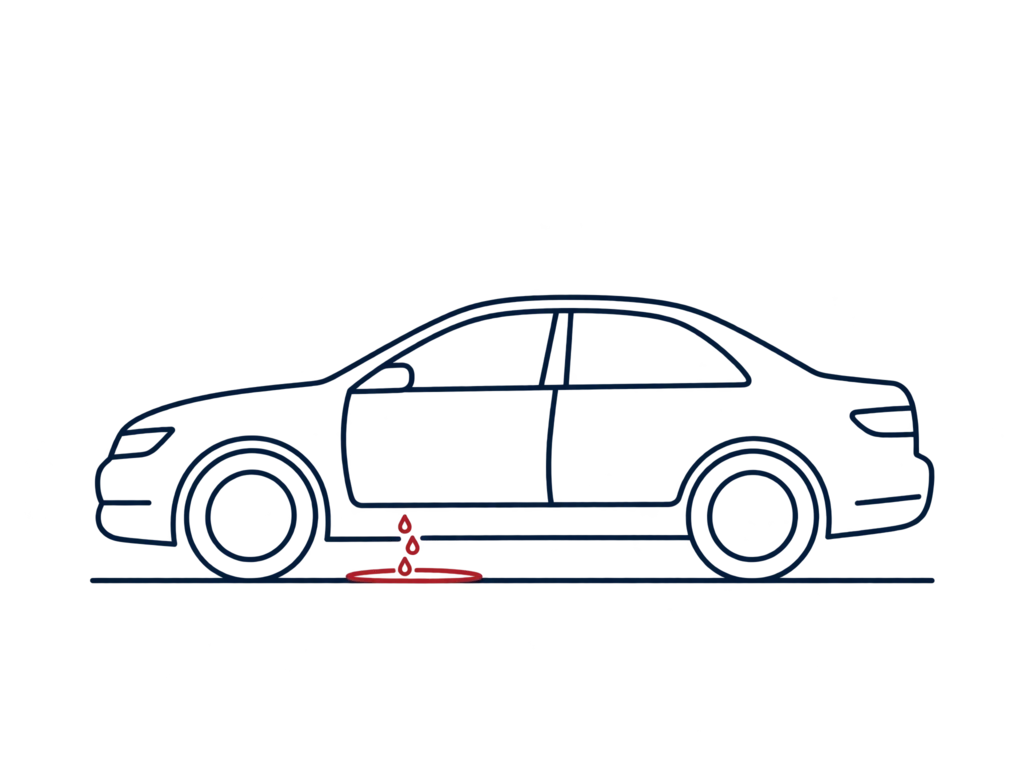
- Coolant is pouring out under the vehicle
Why engines overheat
Hot days, long climbs and stop-and-go traffic expose cooling problems. These are the common culprits.
Low coolant from a leak
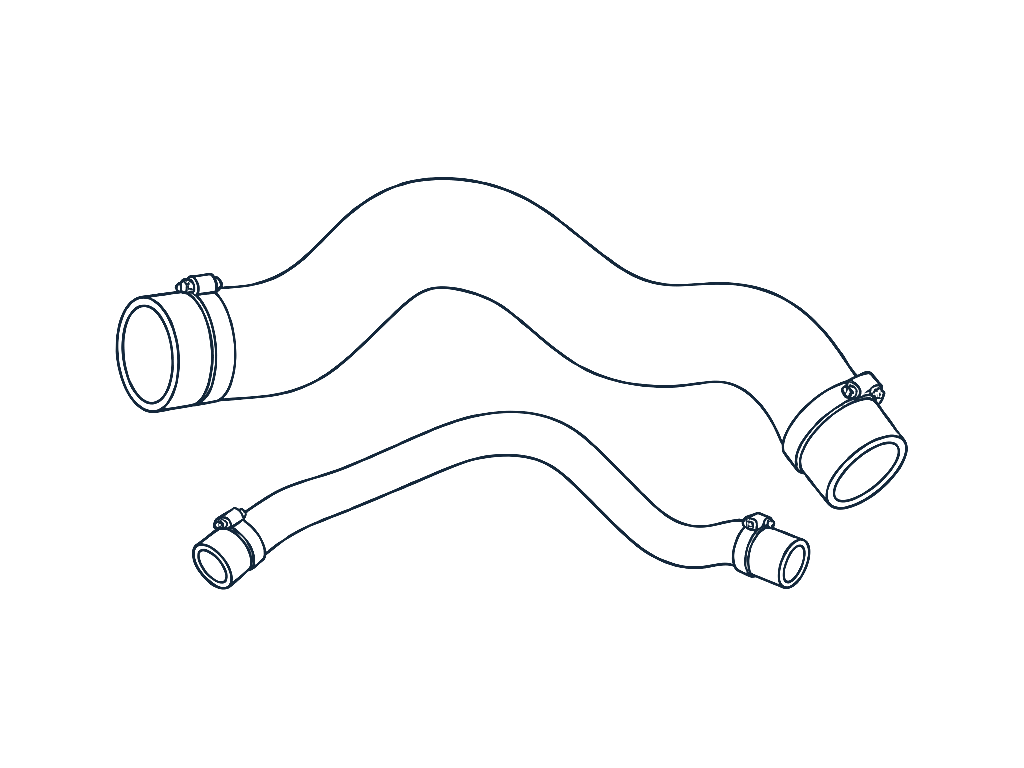
Hoses, the radiator, the water pump or a heater core can leak. Look for drips or a sweet smell.
Cooling fan not running
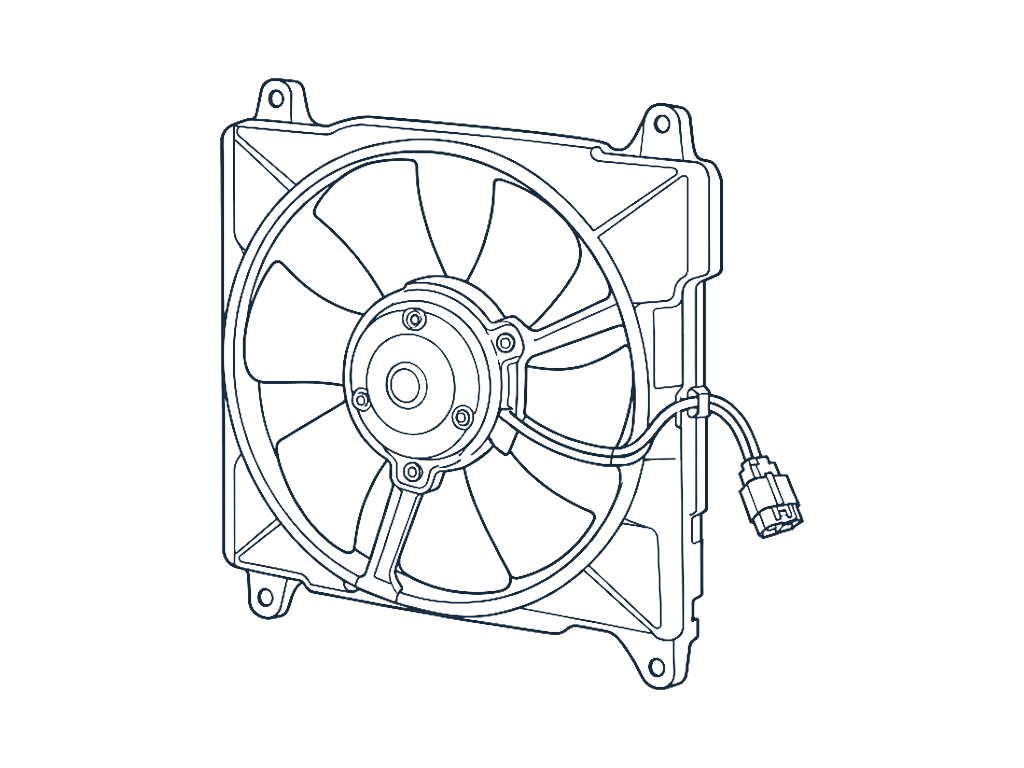
If it overheats in traffic but cools down at speed, the electric fan or its relay may have failed.
Stuck thermostat
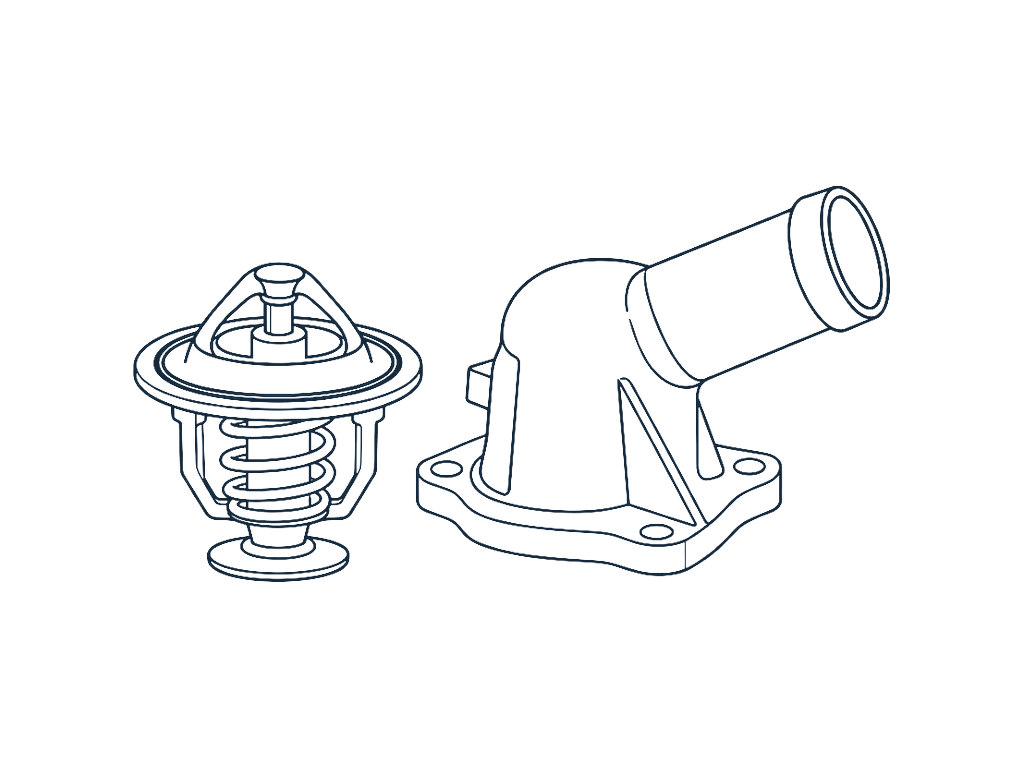
A thermostat stuck closed blocks coolant from reaching the radiator. The gauge often climbs quickly.
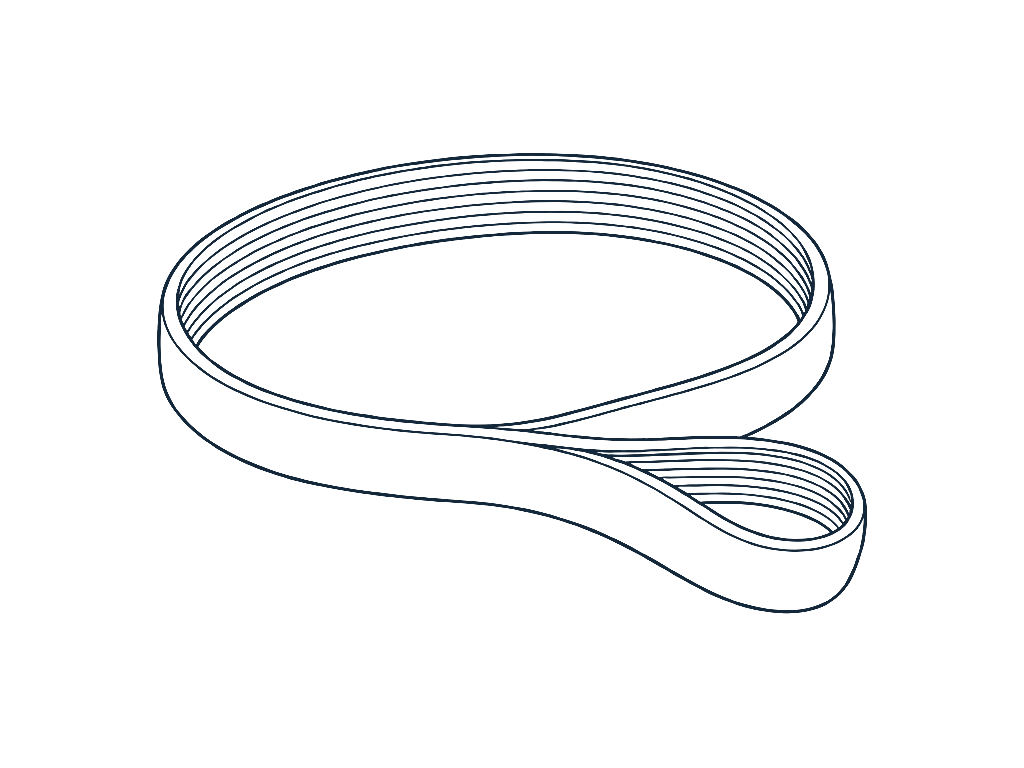
Water pump or drive belt
A worn pump or a broken or slipping belt stops coolant from circulating.
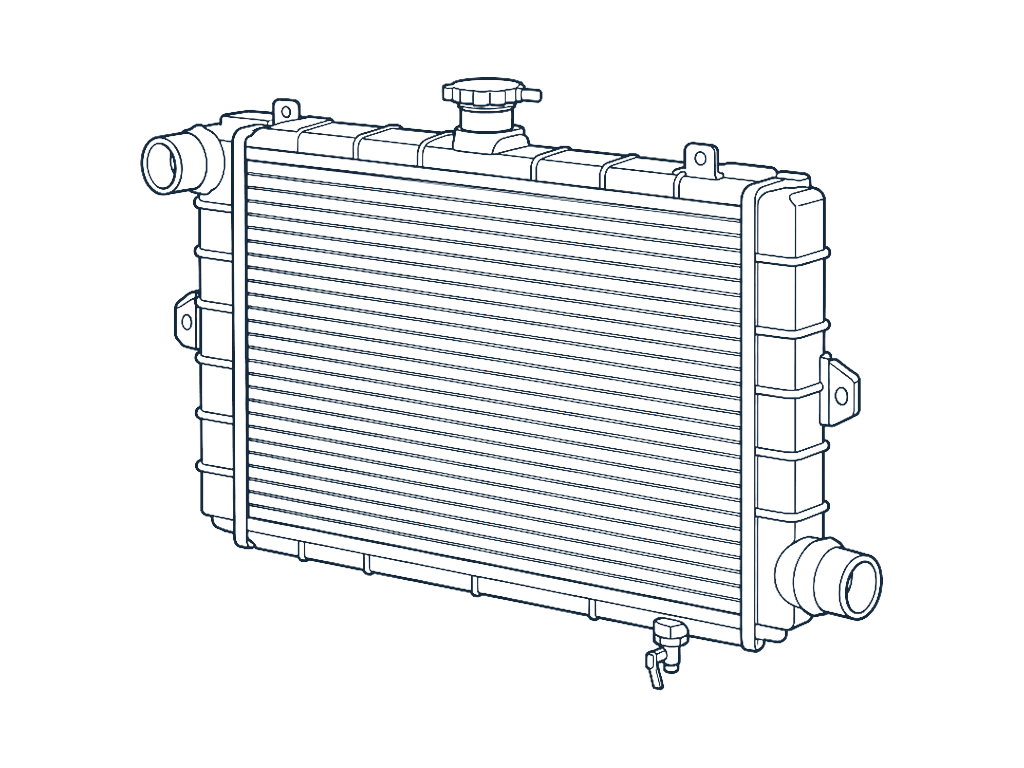
Clogged radiator
Old coolant and debris can block flow inside the radiator or across its fins.
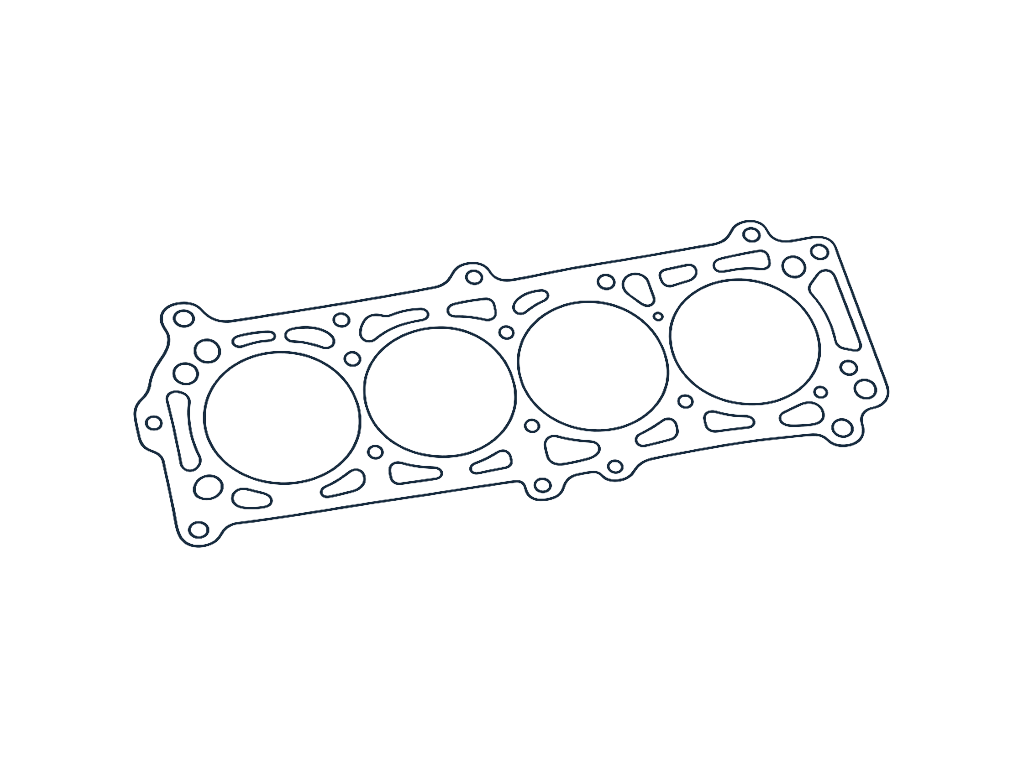
Head gasket
Unexplained coolant loss, white exhaust smoke or bubbles in the reservoir can point to a head gasket.
You see the wear before you pay for parts
A worn belt or hose is easy to show. We'll point it out so you know why it needs replacing.
We inspect under the hood
Every belt and hose checked, plus the tensioner, pulleys and coolant.
We show you what we found
Photos or the part itself, with what needs replacing now and what can wait.
You decide, then we do the work
Nothing starts until you say go. We finish with a leak check and a test drive.
What to do while you wait
Safety first. Only check under the hood once the engine is cool.
Pull over somewhere safe, turn on your hazards and switch off the engine
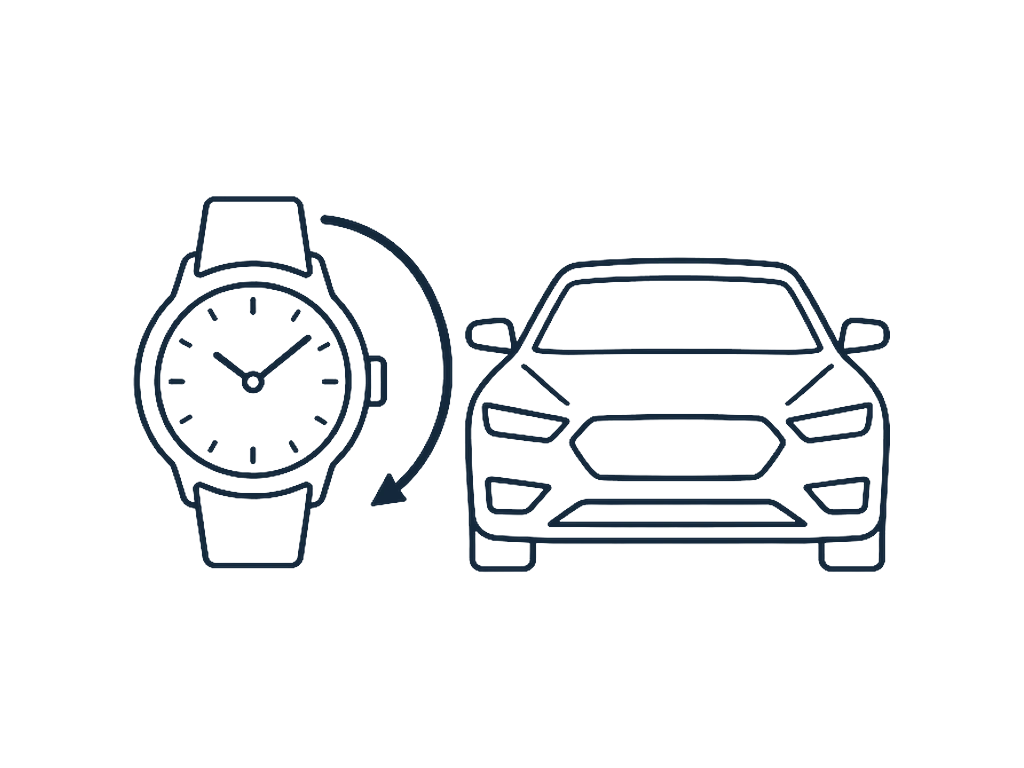
Wait at least 30 minutes before opening the hood
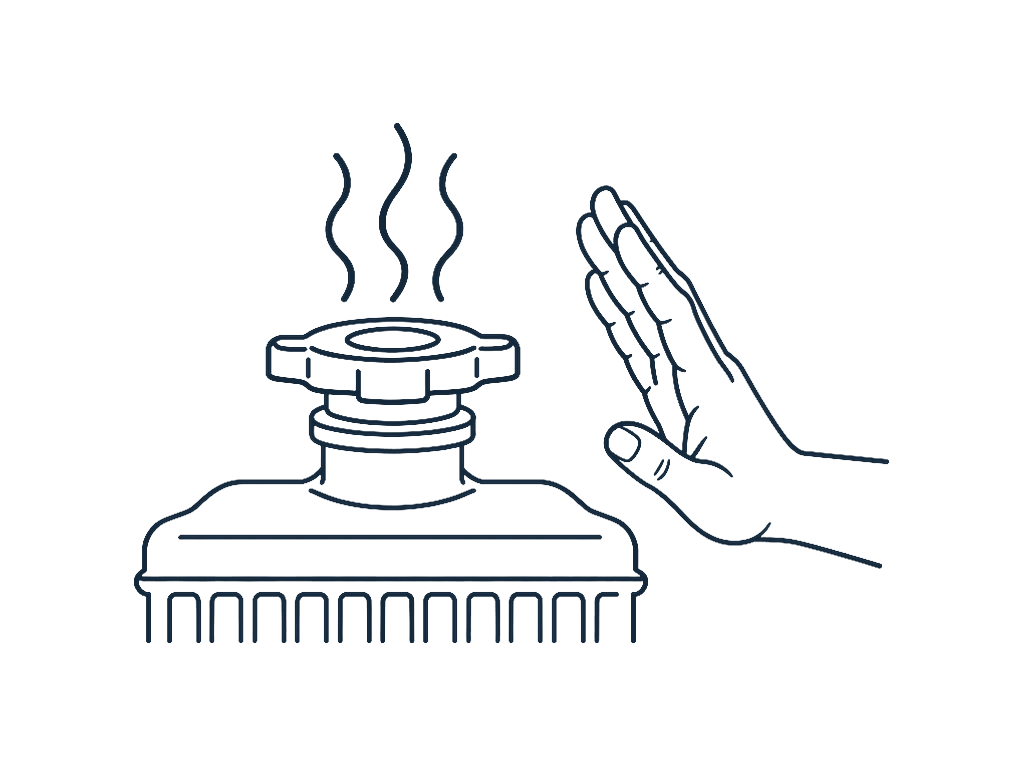
Never open the radiator or coolant cap while it's hot
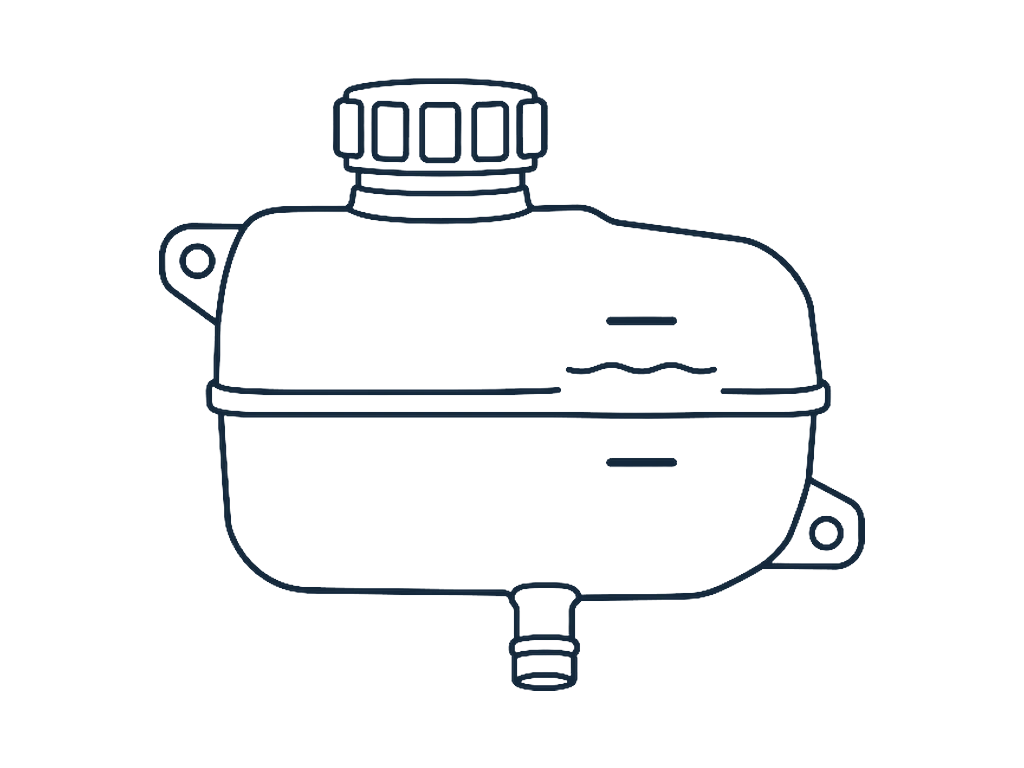
Once cool, look at the coolant level in the overflow reservoir
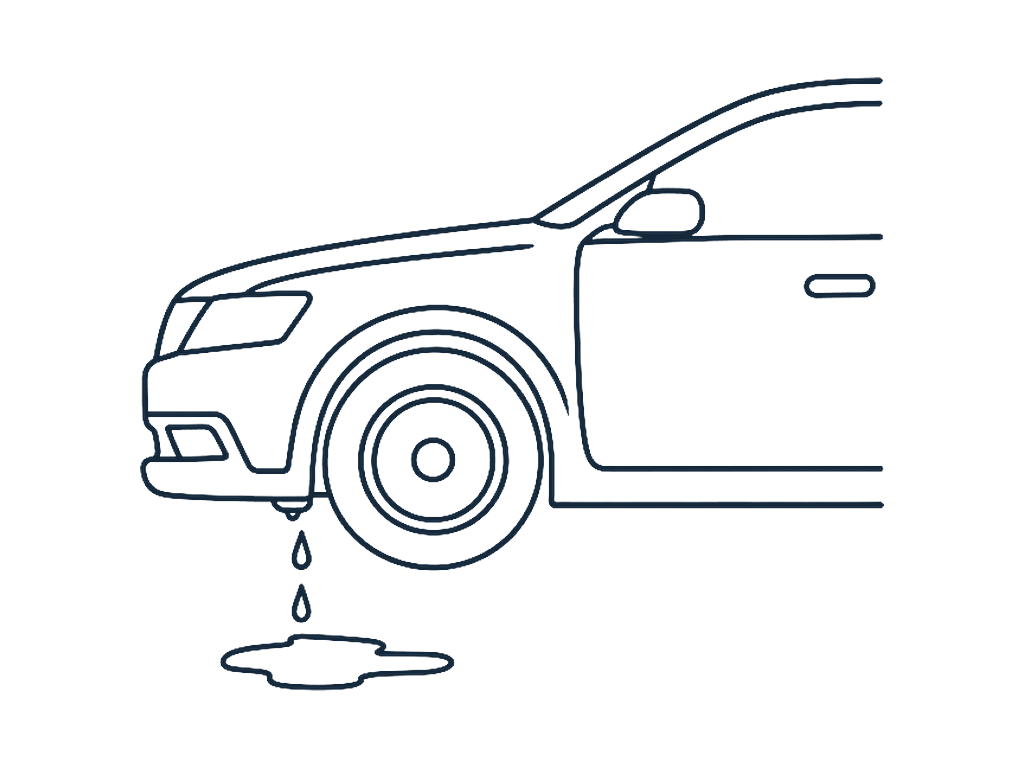
Look for drips, wet hoses or puddles under the vehicle
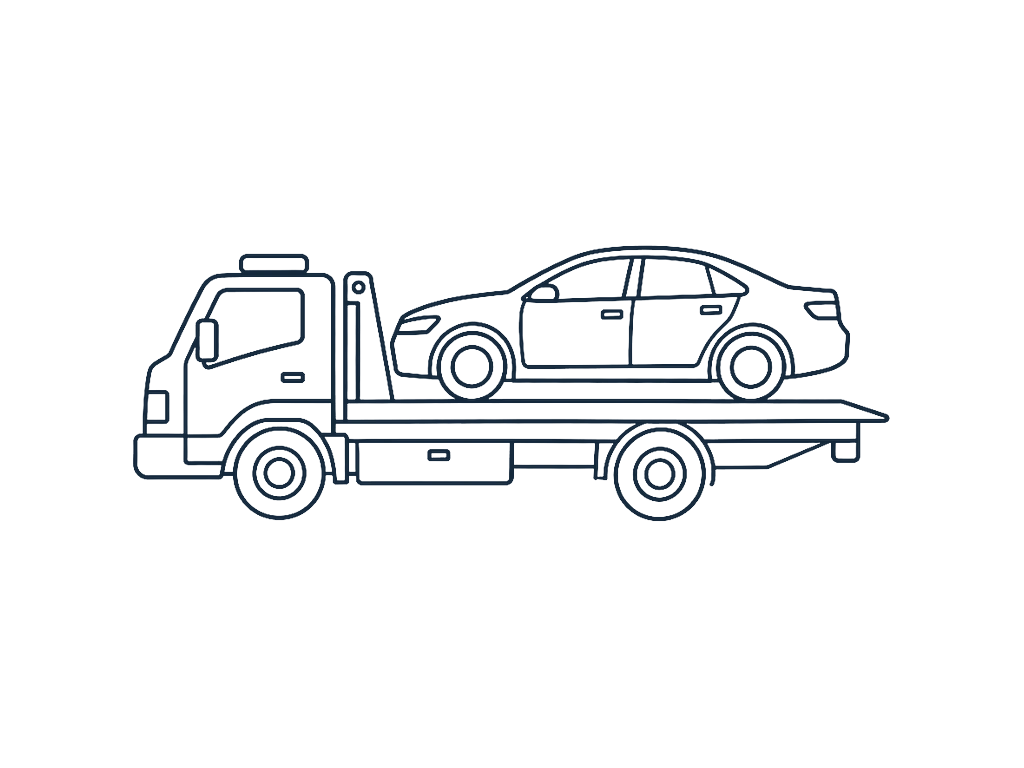
Call for a tow if it overheats again after cooling down
Overheating questions
Can I drive a short distance with an overheating engine?
It's not worth the risk. A few minutes of driving while overheating can cause damage that costs far more than a tow. If you must move to a safer spot, keep it short and watch the gauge.
Can I add water instead of coolant?
In an emergency, water can get you to a shop once the engine has cooled. It doesn't protect against corrosion or boiling the way coolant does, so have the system checked and refilled with the right coolant soon after.
Why does my car overheat in traffic but not on the highway?
At highway speed, air flows through the radiator on its own. In traffic, the cooling fan does that job. Overheating only at low speed often points to the fan or its relay.
Why is my car overheating with the heater on full?
Turning the heater to hot and the fan to high can pull some heat from the engine in an emergency. If you need to do that to keep the gauge down, the cooling system needs attention.
Other symptoms we can help with
See All Symptoms- Book soon
Fluid leaking under the car
Clear water from the AC is normal. Green, pink, red, brown or blue is worth a look. Brake fluid means don't drive.
Learn More - Book soon
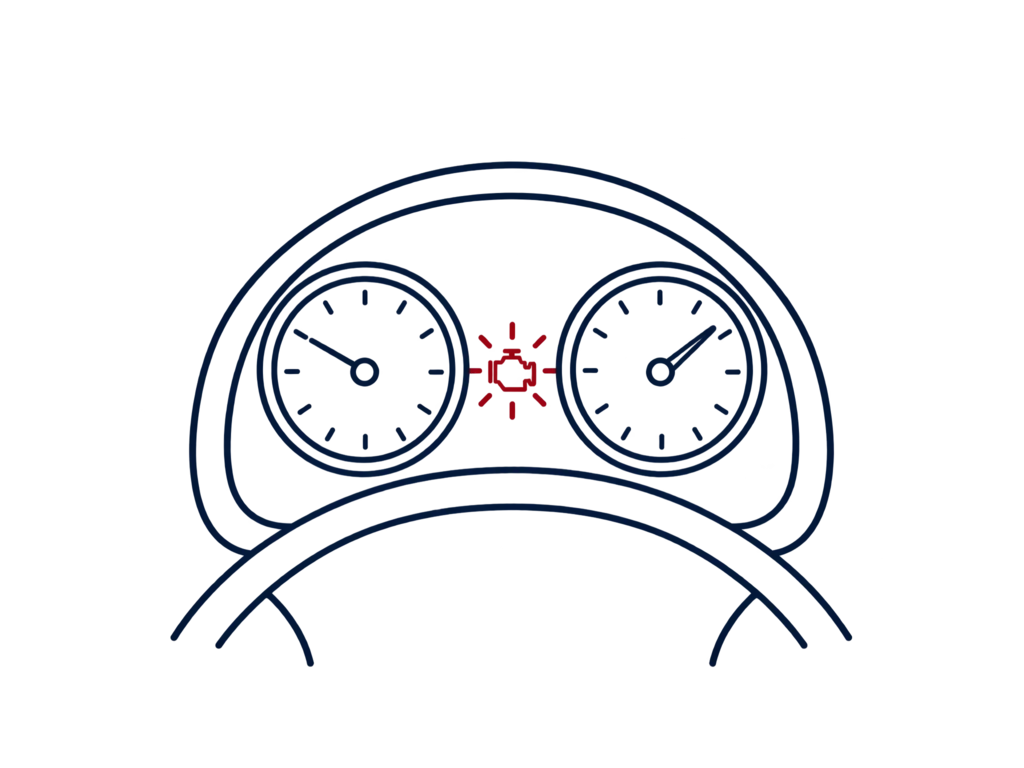
Check engine light is on
Anything from a loose gas cap to a misfire. A steady light can usually wait a few days. A flashing one can't.
Learn More
Running hot? Don't wait on this one.
If it's safe to drive, book online and tell us what happened. If it isn't, have it towed to us. We'll find the cause and explain your options before any work begins.