
Expert Belt and Hose Replacement in Folsom, CA
Replace worn belts and hoses before they leave you stranded
Signs a belt or hose is wearing out
- Squealing at startup
- Cracked or shiny belt
- Coolant leak or sweet smell
- Soft, swollen or brittle hose
- Temperature gauge climbing
- Timing belt mileage due
What a belt and hose service covers
We check every belt and hose under the hood, not only the one making noise.
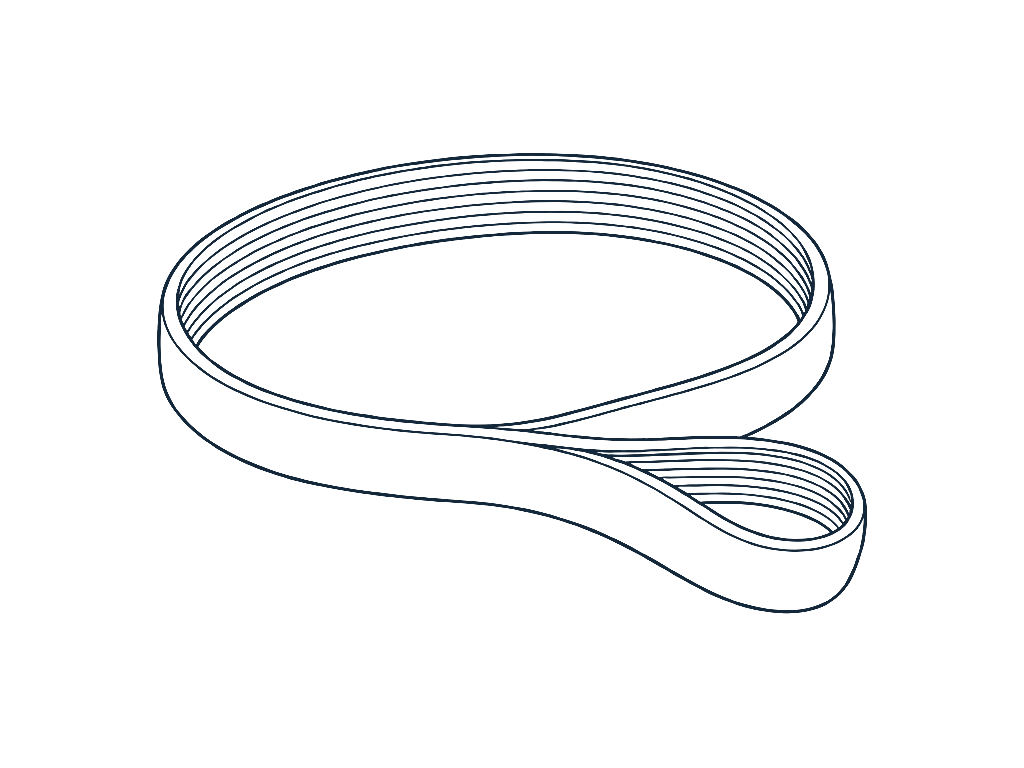
Drive belt
The serpentine belt checked for cracks, wear and glazing, and replaced when it's worn.
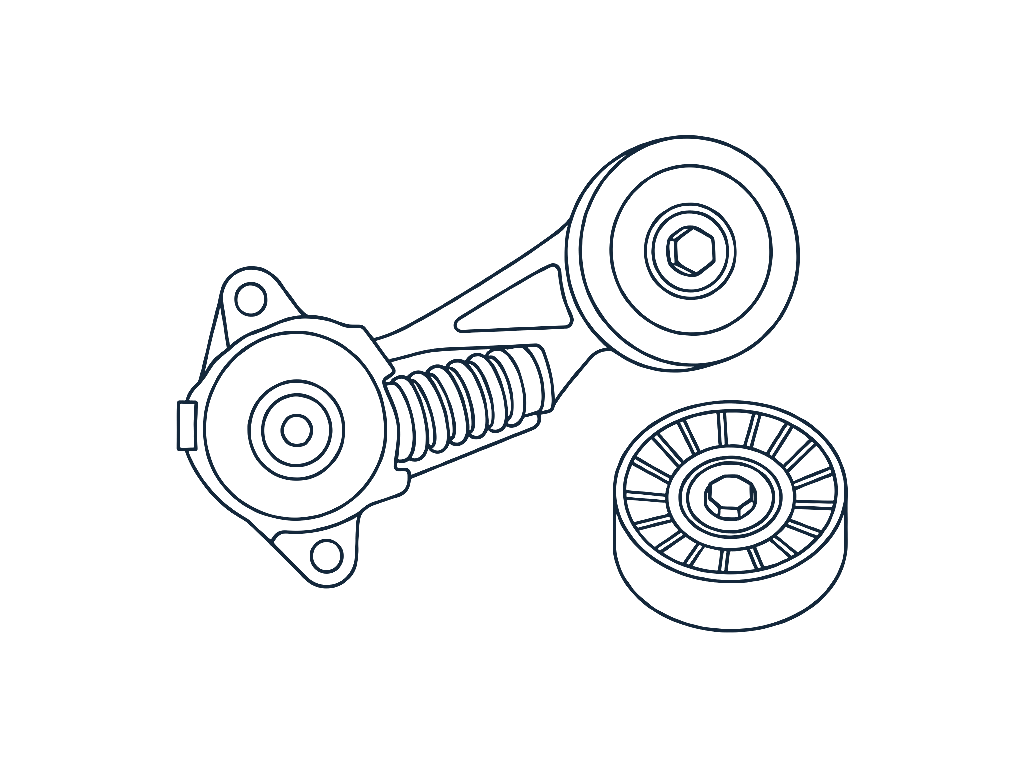
Belt tensioner and pulleys
Checked for noise and wobble, since a weak tensioner can wear a new belt quickly.
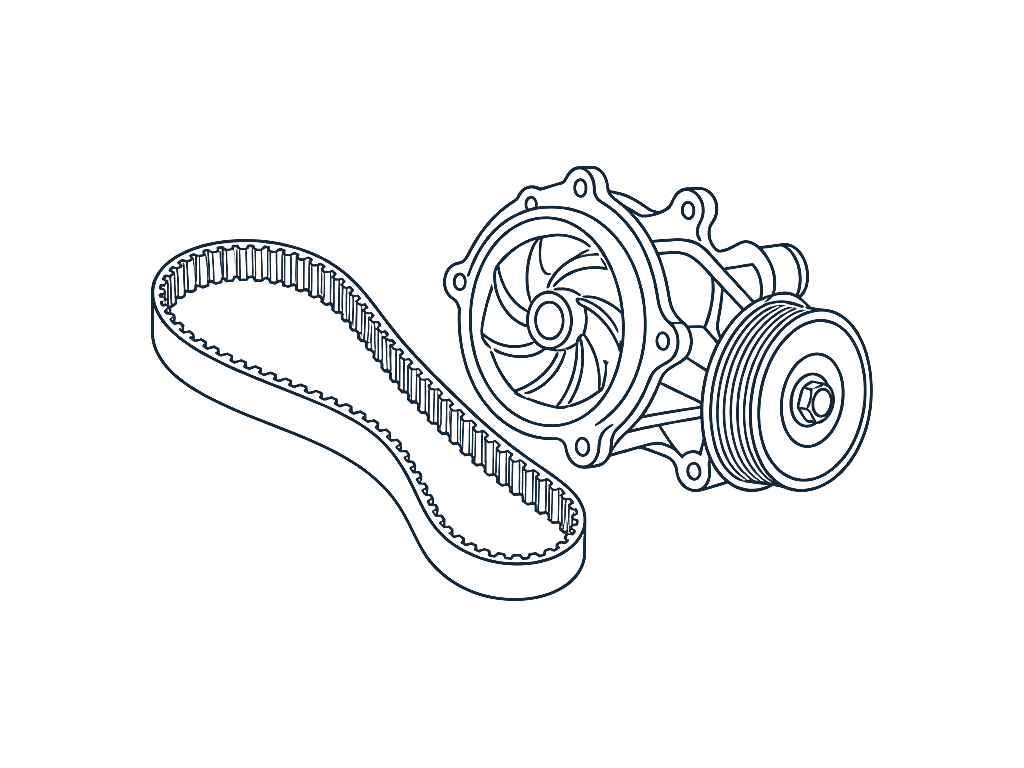
Timing belt
Replaced at your maker's interval, usually with the water pump when it's driven by the belt.
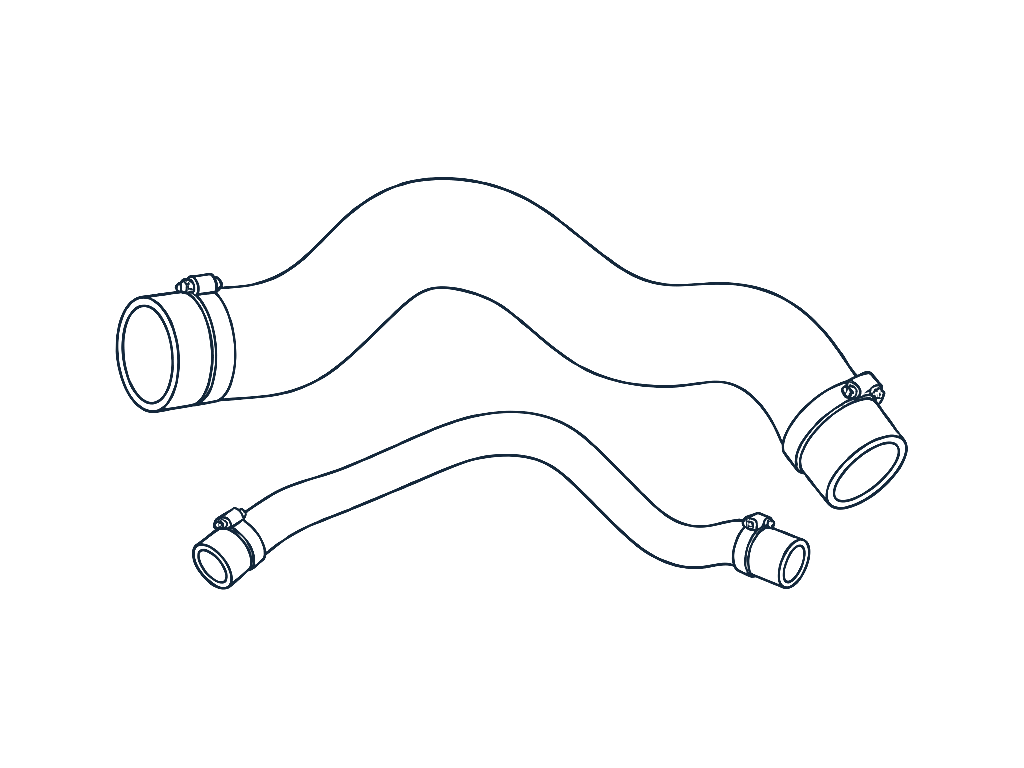
Radiator and heater hoses
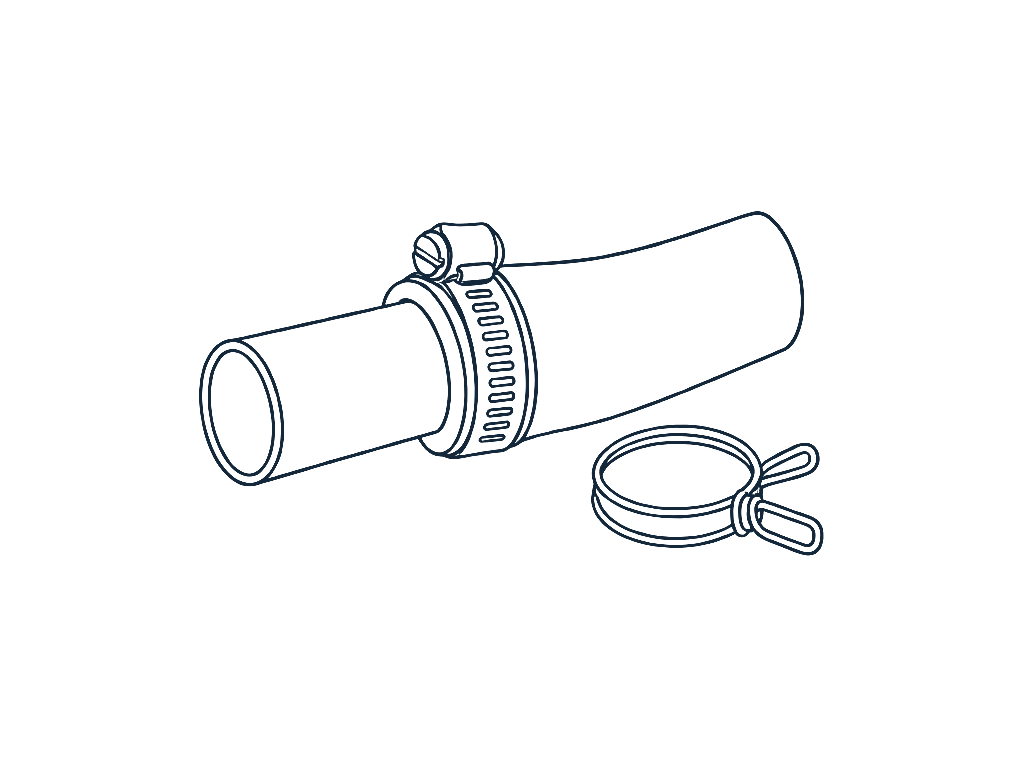
Squeezed and inspected for softness, swelling, cracks and leaks.
Clamps and connections
Loose or corroded clamps tightened or replaced so the system seals properly.
Coolant check
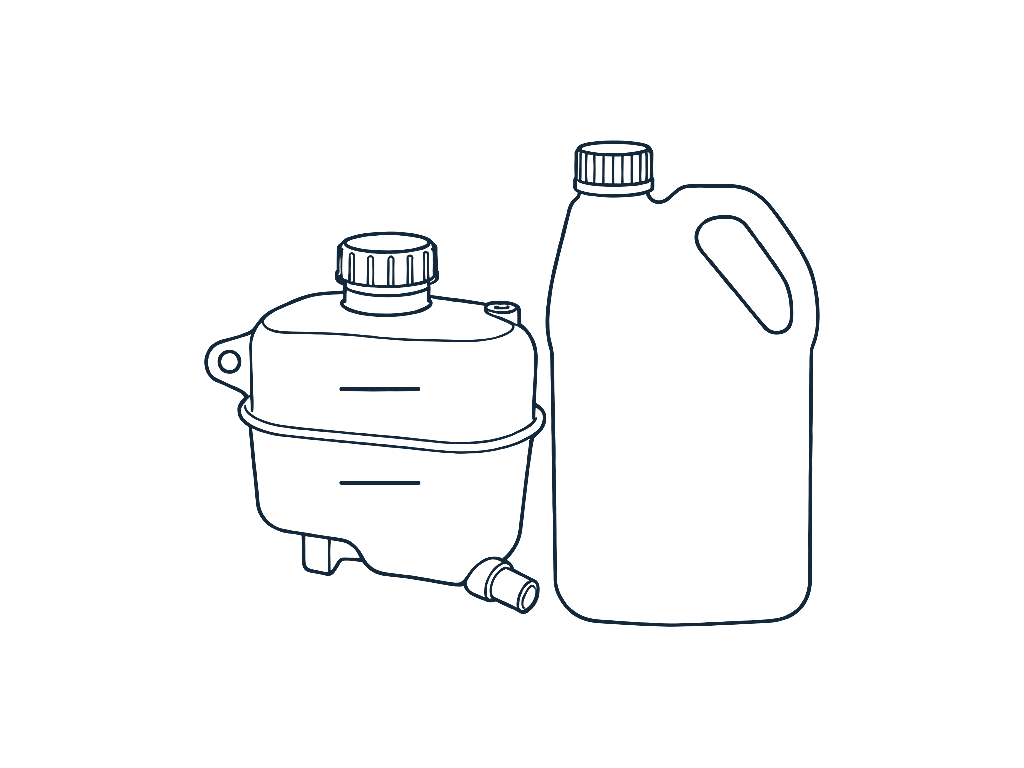
Level and condition checked, and topped off or refilled after hose work.
You see the wear before you pay for parts
A worn belt or hose is easy to show. We'll point it out so you know why it needs replacing.
We inspect under the hood
Every belt and hose checked, plus the tensioner, pulleys and coolant.
We show you what we found
Photos or the part itself, with what needs replacing now and what can wait.
You decide, then we do the work
Nothing starts until you say go. We finish with a leak check and a test drive.
Belt and hose questions
How often should a serpentine belt be replaced?
Many last somewhere between 60,000 and 100,000 miles, but heat and age matter too. Cracks, fraying or a squeal are signs it's time, whatever the mileage.
What's the difference between a timing belt and a serpentine belt?
The serpentine belt runs accessories like the alternator and AC compressor. The timing belt keeps the engine's internal parts in sync. Not every engine has a timing belt; many use a timing chain instead.
What happens if a timing belt breaks?
The engine stops running. On some engines, called interference engines, a broken timing belt can also cause serious internal damage. That's why replacing it on schedule matters.
How often should coolant hoses be replaced?
There's no single interval. Hoses age from the inside, so we check them at each service and replace them when they turn soft, swollen, brittle or start to leak.
Squealing belt or coolant leak? Let's take a look.
Book online and tell us what you're noticing. We'll inspect, explain and give you options before any work begins.