
Check engine light on? Here's what it means
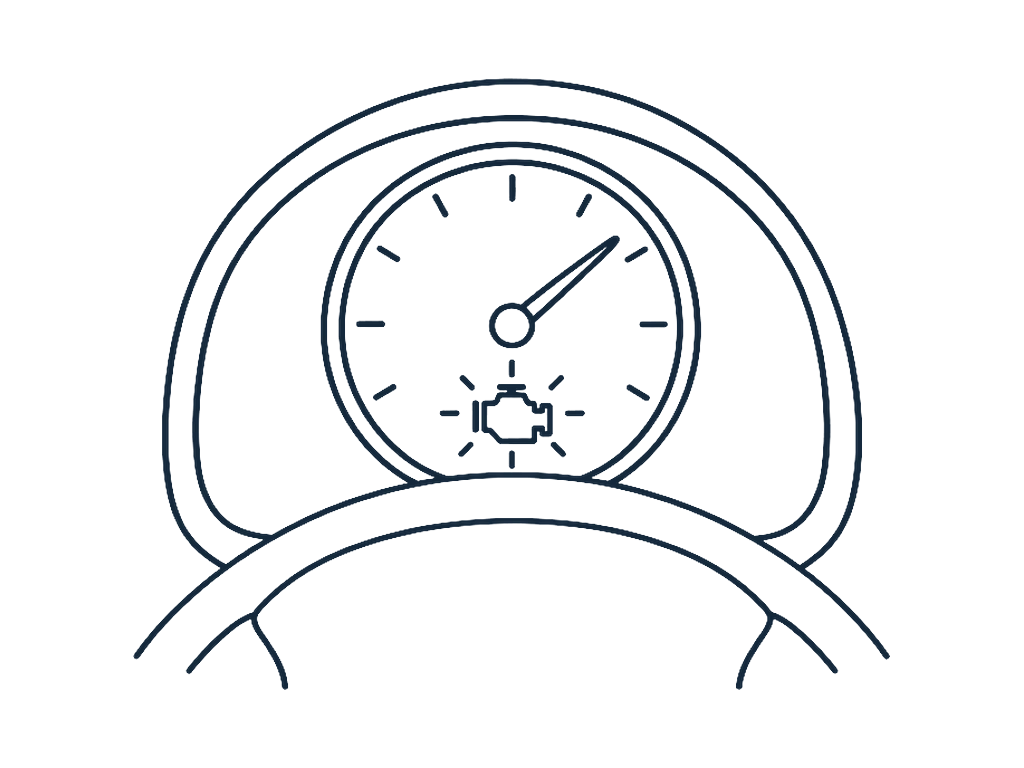
The light means your engine computer saw a problem it can't correct. It might be a loose gas cap or a misfire. We test to find out which.
Not safe to drive if you notice
- Check engine light flashing
- Engine shaking or losing power
- Fuel smell or smoke
Is it safe to drive when experiencing a check engine light?
Usually yes, for a short while, if the light is steady. A flashing check engine light means stop driving.



Usually safe to drive
- The light is steady, not flashing
- The engine starts, idles and accelerates normally
- No other warning lights are on
- The temperature gauge reads normal
Not safe to drive
- The light is flashing
- The engine shakes, stumbles or loses power
- You smell fuel or see smoke
- The temperature or oil pressure warning comes on too
Common reasons the light comes on
One code can have several causes. These are the ones we see most, roughly from simplest to most involved.
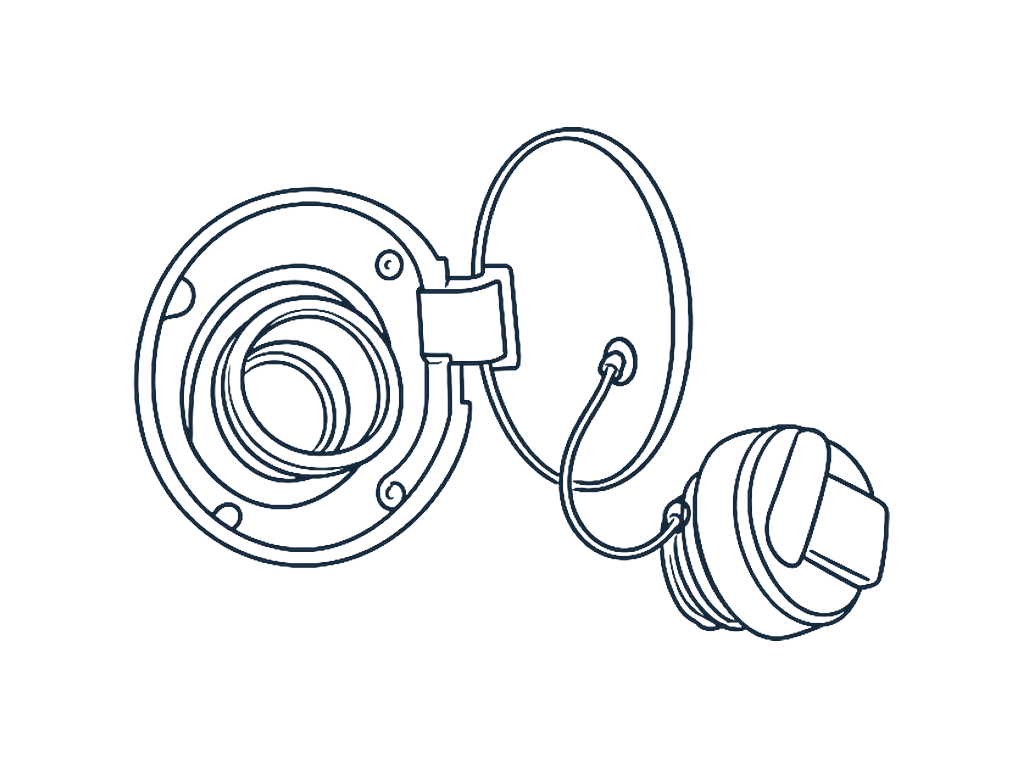
Loose or worn gas cap
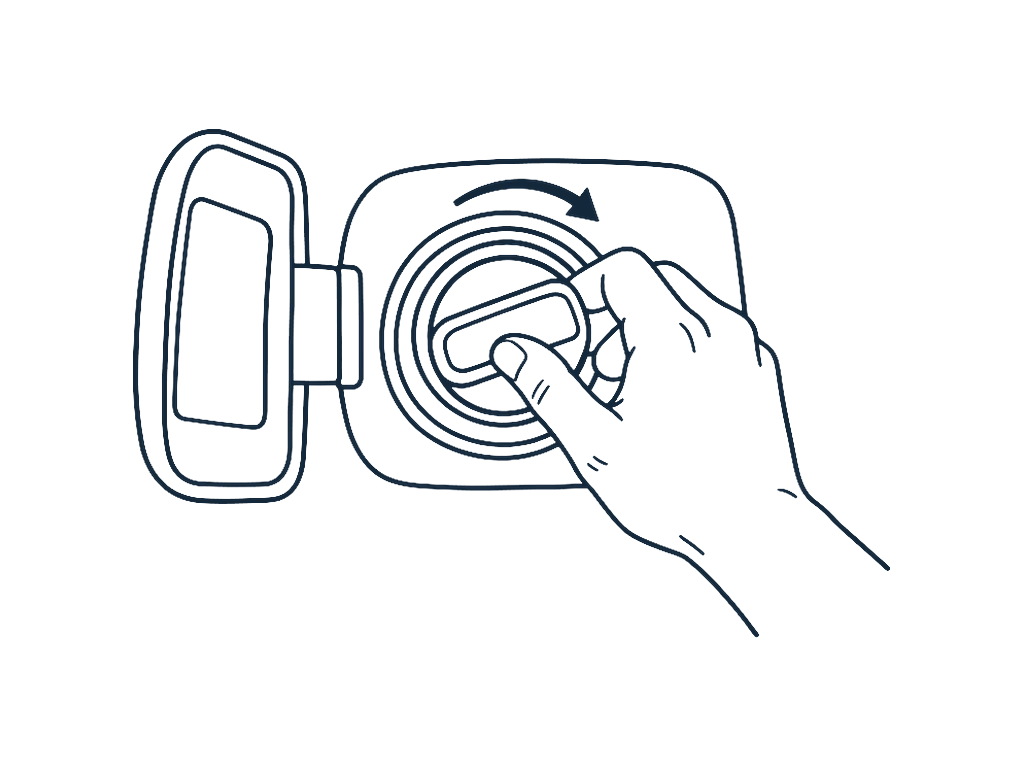
A cap that isn't sealed lets fuel vapor escape and sets an evaporative system code. Tighten it until it clicks.
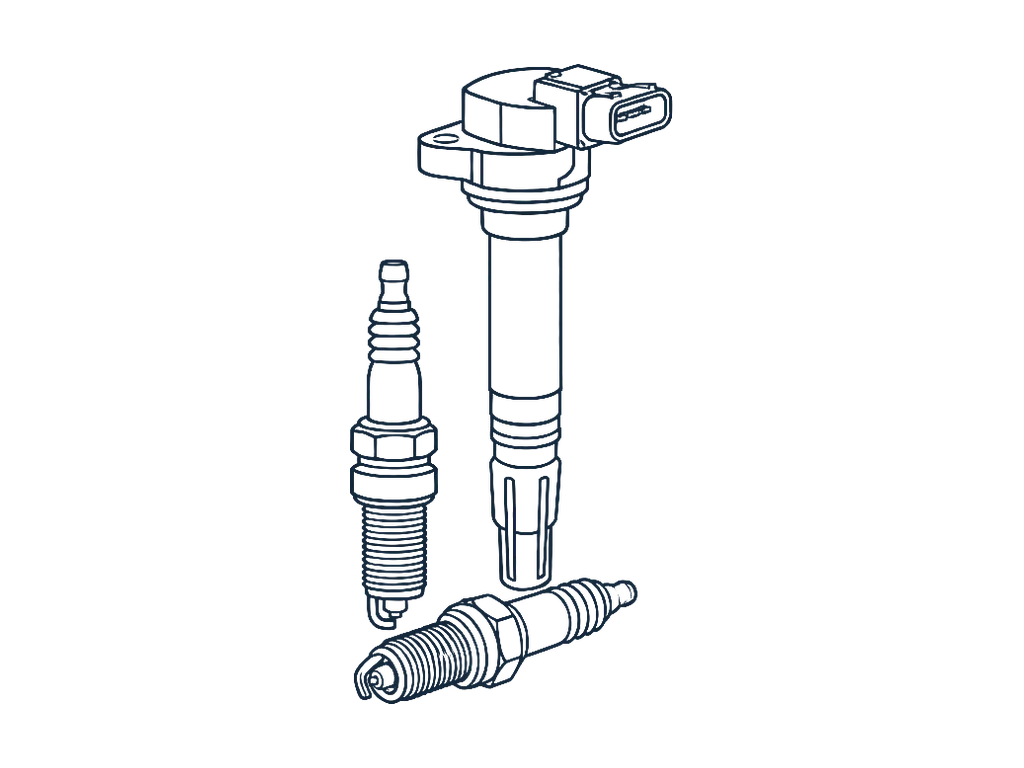
Misfire from plugs or coils
Worn spark plugs or a failing ignition coil cause a rough idle or a stumble under load, and often a flashing light.
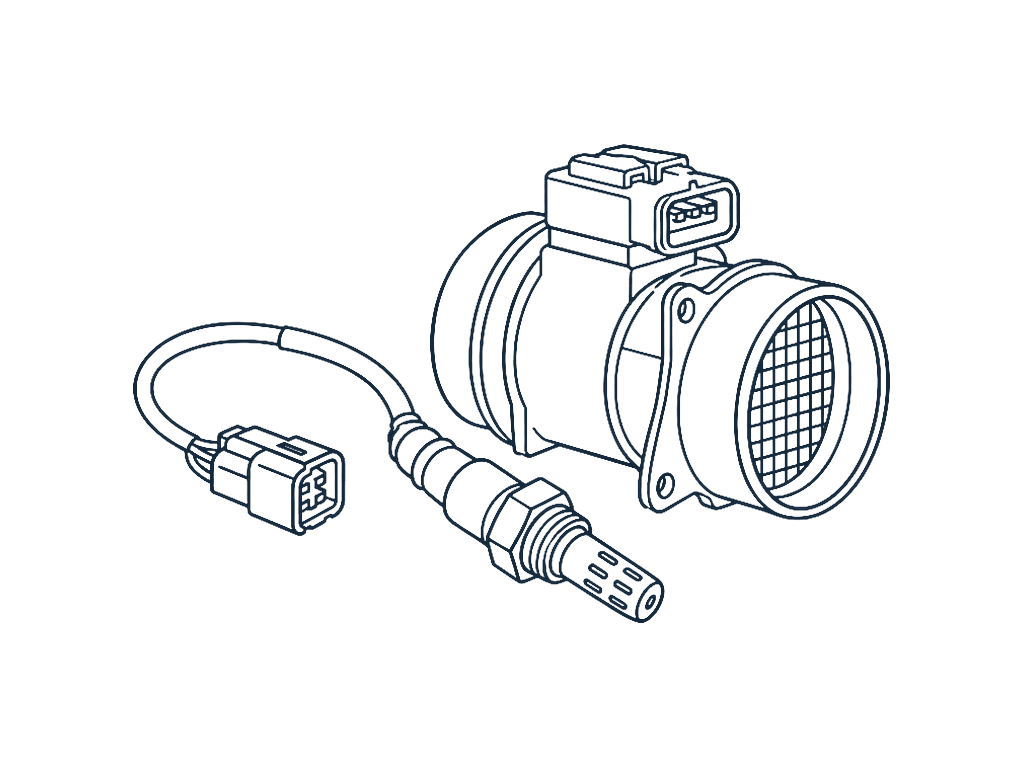
Oxygen or air flow sensor
These sensors help set the fuel mixture. When one drifts, fuel economy drops and the light comes on.
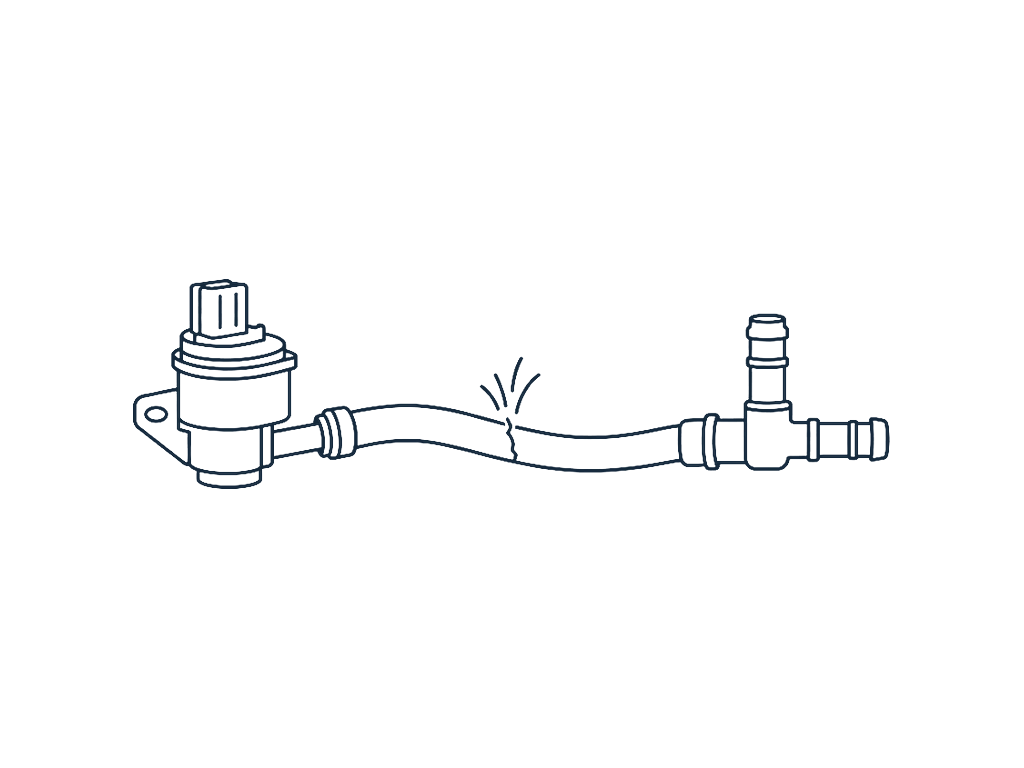
Vacuum or evaporative leak
A cracked hose or a leaking valve in the fuel vapor system can set a code without changing how the car drives.
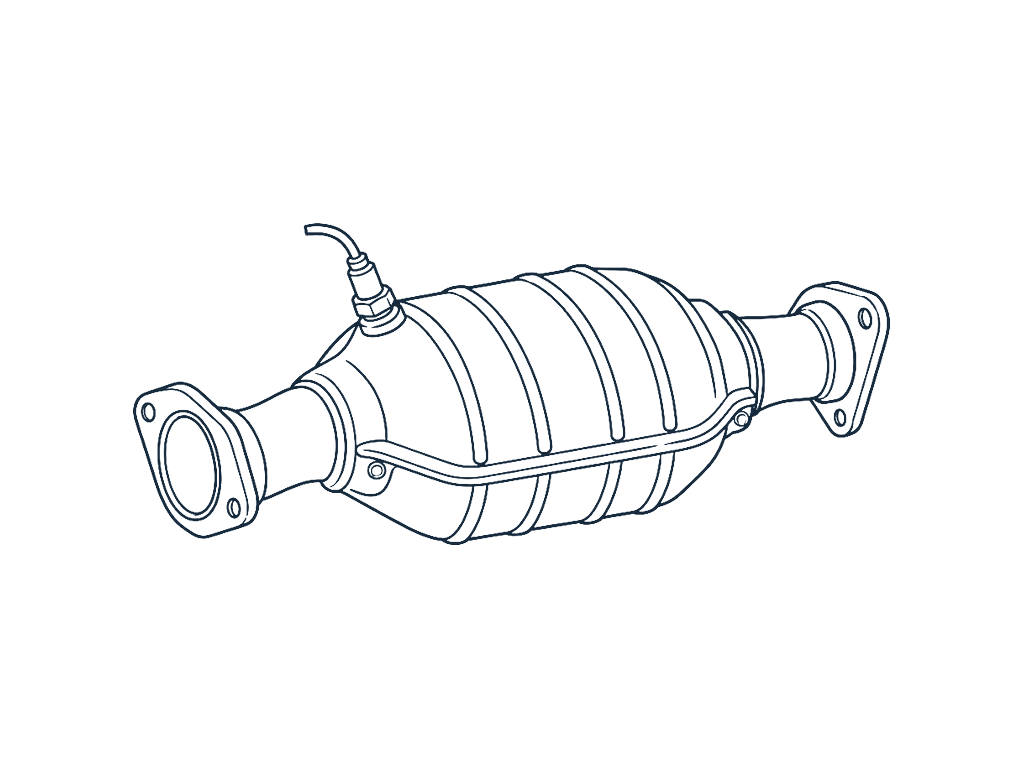
Catalytic converter efficiency
Often the result of another problem, like a long-running misfire. We find the cause first so a new converter lasts.
Overdue maintenance
Old plugs, a dirty air filter or tired oil can all play a part. Keeping up with the schedule prevents many codes.
Testing first, so you only pay to fix what's broken
Swapping parts until the light goes off wastes your money. We confirm the cause before recommending a repair.
We scan and test
Codes, live data and targeted tests to trace the light back to its cause.
We show you what we found
The failed part, test results and photos, explained in plain English, with your options.
You decide, then we do the work
Nothing starts until you say go. Then we repair it and confirm the light stays off.
What you can check before you book
None of these need tools. They help us find the cause faster.
Tighten the gas cap until it clicks, then watch the light over the next few drives
Note whether the light is steady or flashing
Notice any change in how the engine idles, accelerates or sounds
Check whether other warning lights came on at the same time
Think back to recent fuel stops, repairs or rough roads
Check engine light questions
What's the difference between a steady and a flashing check engine light?
A steady light means a fault was stored and should be checked soon. A flashing light usually means an active, severe misfire. Ease off, avoid hard acceleration and get the vehicle checked right away to protect the catalytic converter.
Will the light turn off by itself?
Sometimes. If the cause was temporary, such as a loose gas cap, the light can go off after several drive cycles once the system sees the problem is gone. If it stays on or comes back, the fault is still there.
Can I pass a California smog check with the check engine light on?
No. In California, a lit check engine light is an automatic smog check failure. The problem needs to be fixed and the vehicle driven enough for its readiness monitors to complete before the test.
Is a free code read at a parts store enough?
It's a starting point. A code names the system that noticed the problem, not the part that failed. Testing finds the real cause so you don't replace parts you didn't need.
Other symptoms we can help with
See All Symptoms- Book soon
Shaking or vibration while driving
At speed it's often wheel balance. When braking, rotors. At idle, the engine. When it happens tells us a lot.
Learn More - Pull over now
Engine overheating
Pull over and turn off the engine. Usually a coolant leak, a fan, the thermostat or the water pump.
Learn More
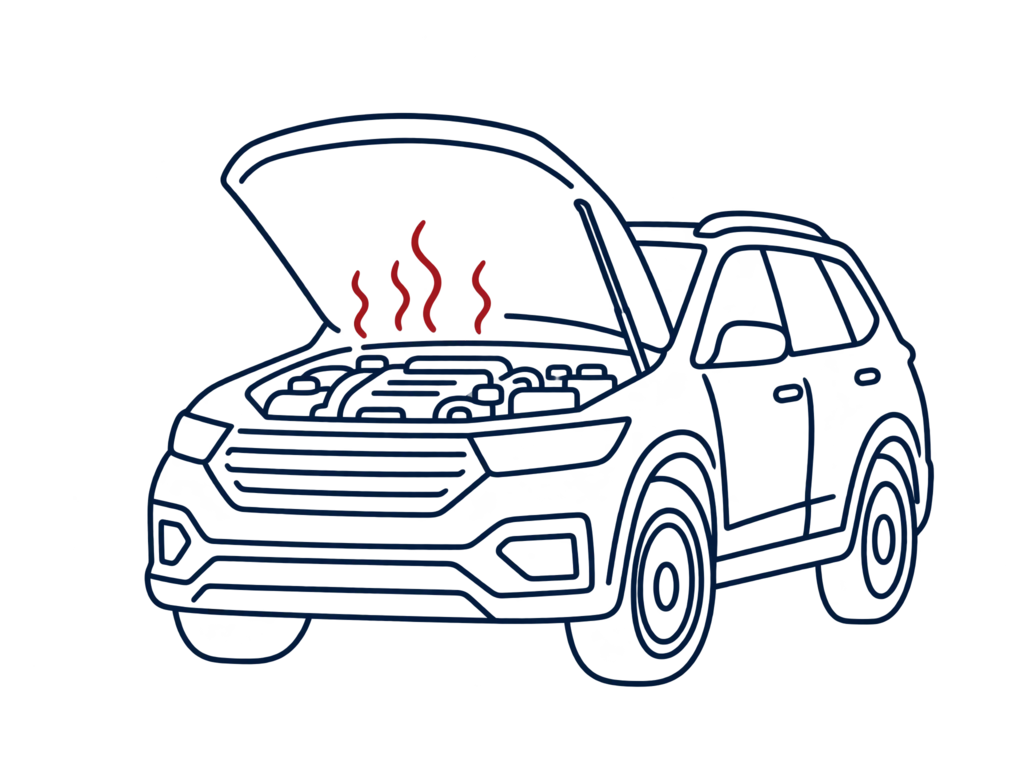
Light on? Let's find out why.
Book online and tell us whether the light is steady or flashing and how the engine feels. We'll test, explain and give you options before any work begins.