
Fluid leaking under your car? Identify it by color
The color, smell and spot of the puddle tell you a lot. Some leaks can wait a few days. Others mean don't drive.
Not safe to drive if you notice
- Brake fluid near a wheel
- Soft brake pedal or brake light on
- Gasoline smell
Is it safe to drive when experiencing fluid leaking under the car?
It depends on the fluid. A few drops of oil can usually wait, but brake fluid, fuel or a big puddle means don't drive.



Usually safe to drive
- A few drops of oil, and the oil level reads normal
- Clear water under the car on a hot day, which is normal AC condensation
- The brake pedal feels firm and no warning lights are on
Not safe to drive
- The fluid is clear to yellowish and slick near a wheel, which may be brake fluid
- The brake pedal feels soft or the brake light is on
- You smell gasoline
- A temperature or oil pressure warning comes on
What the color of the leak tells you
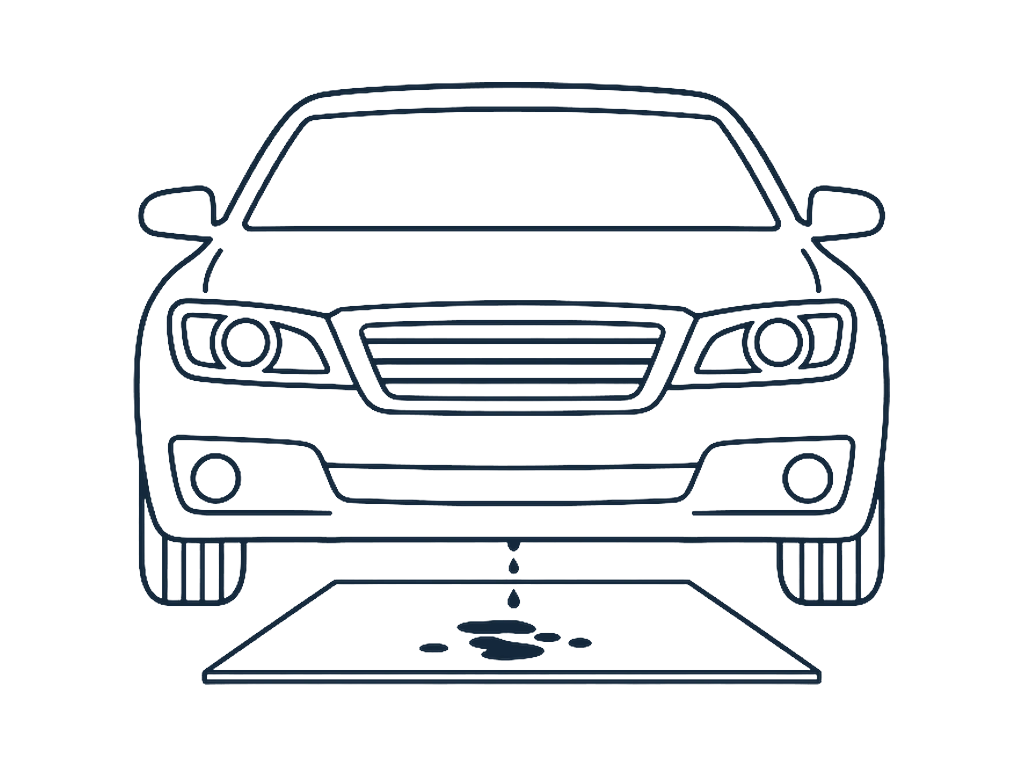
Slide a piece of white cardboard under the vehicle overnight. The color and spot point to the source.
Clear and watery: AC condensation
Water dripping near the front passenger side after running the AC is normal and nothing to worry about.
Amber, brown or black: engine oil
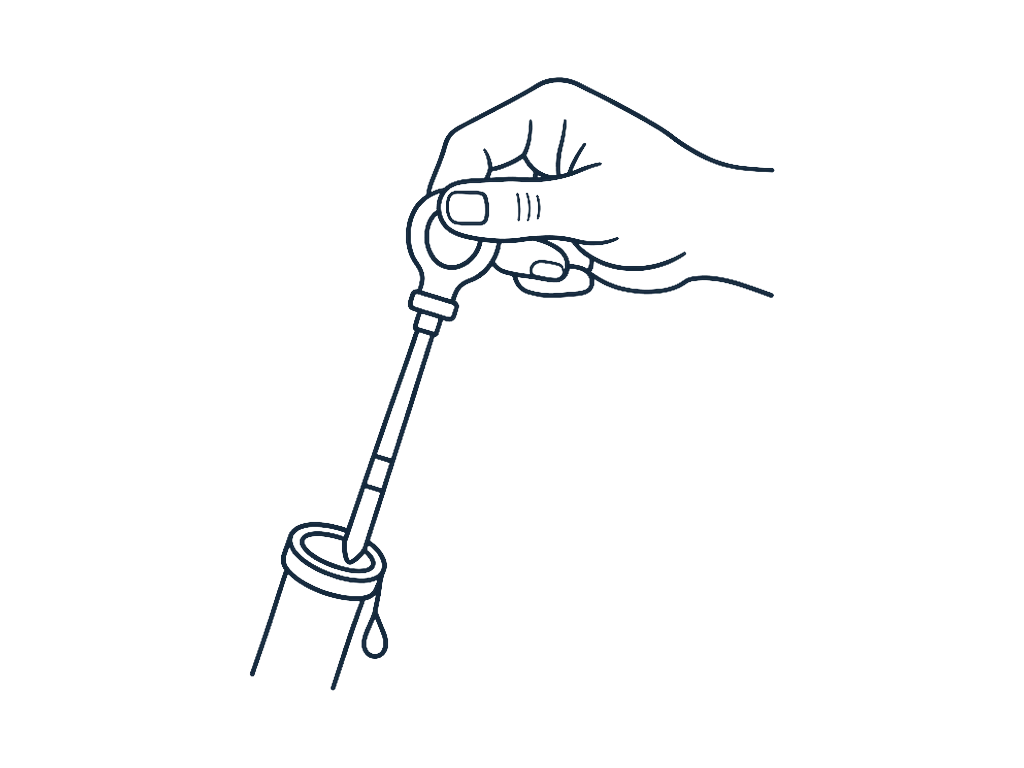
Usually from a valve cover gasket, oil pan, drain plug or filter. Check the dipstick and keep an eye on the level.
Green, orange or pink and sweet-smelling: coolant
From a hose, radiator, water pump or reservoir. Low coolant can lead to overheating. Keep pets away.
Red or pink and oily: transmission or power steering
Often near the middle or front of the vehicle. Low fluid can cause rough shifting or heavy steering.
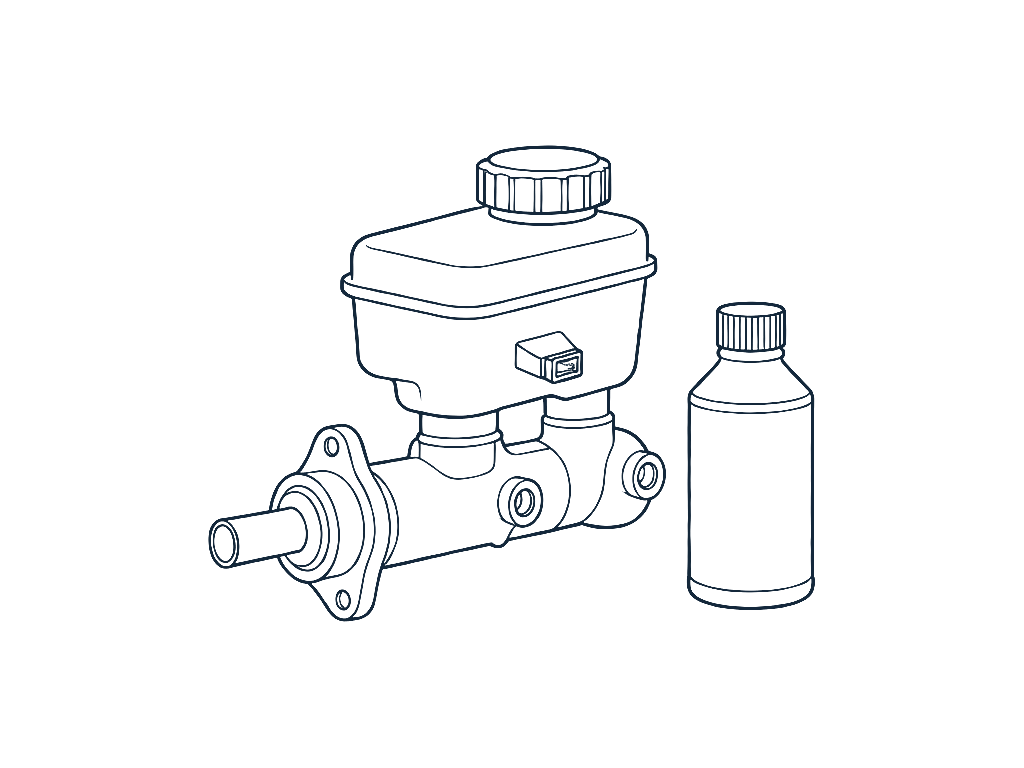
Clear to yellowish and slick: brake fluid
Usually near a wheel or behind the engine. Don't drive. Have the vehicle towed and inspected.
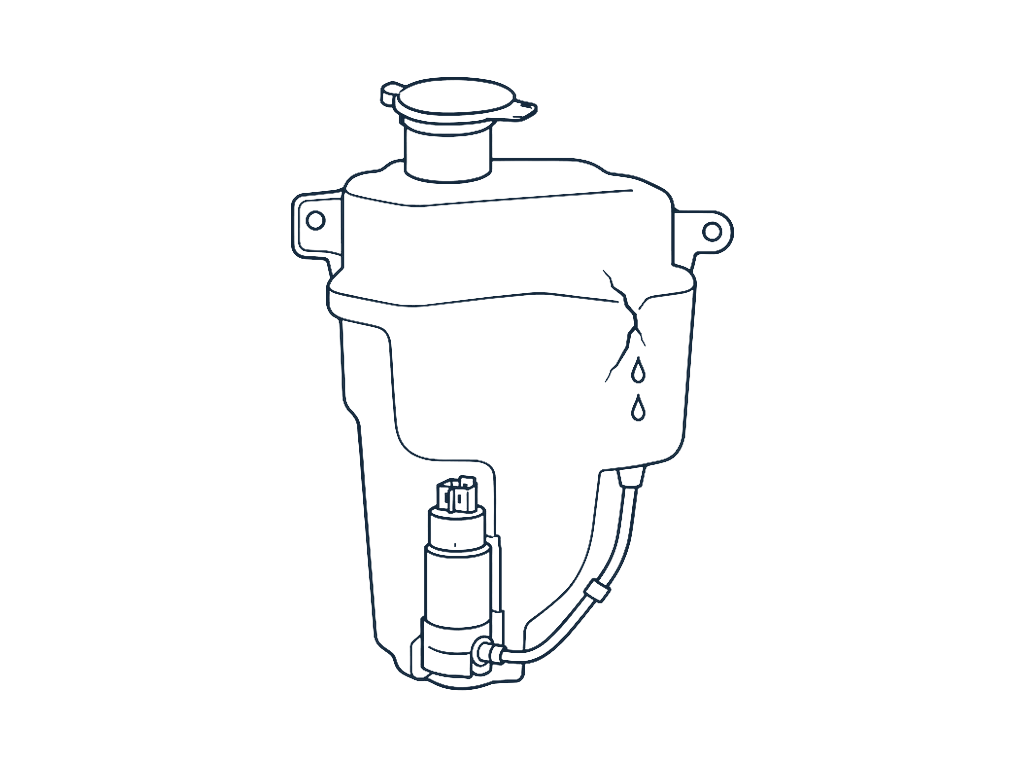
Blue: washer fluid
A cracked reservoir or line. It isn't harmful to the vehicle, but you'll want working washers.
You see the wear before you pay for parts
A worn belt or hose is easy to show. We'll point it out so you know why it needs replacing.
We inspect under the hood
Every belt and hose checked, plus the tensioner, pulleys and coolant.
We show you what we found
Photos or the part itself, with what needs replacing now and what can wait.
You decide, then we do the work
Nothing starts until you say go. We finish with a leak check and a test drive.
How to check the leak
A little detective work at home helps us find the source fast.
Leave white cardboard or paper under the vehicle overnight
Note the color and where the spot is: front, middle, rear, near a wheel
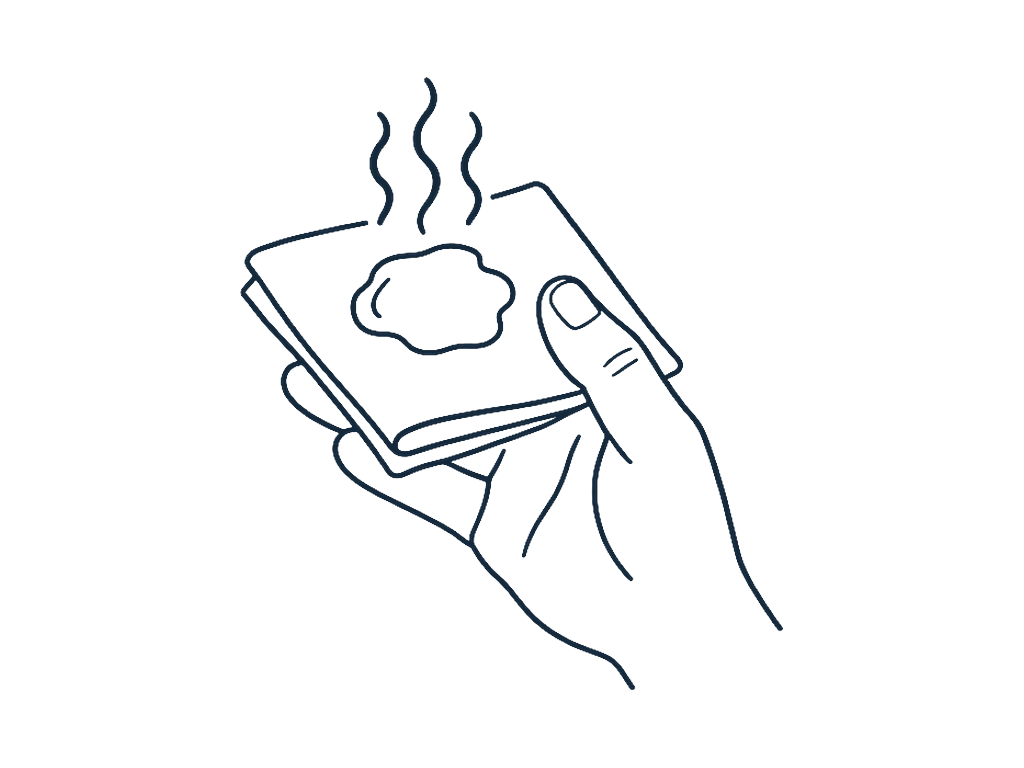
Dab the fluid on a paper towel and note the smell (sweet, oily or fuel)
With the engine cool, check the oil, coolant and brake fluid levels
Take a photo of the spot to show us when you book

Fluid leak questions
Is water dripping from under my car normal?
Yes, if it's clear, has no smell, and drips near the front passenger side after using the AC. That's condensation from the AC system and is normal.
Is it safe to drive with an oil leak?
A slow oil leak is usually safe for a short time if you keep the level topped up. Oil dripping onto a hot exhaust can smoke or become a fire risk, so have it checked soon.
How can I tell coolant from transmission fluid?
Coolant is thin, watery and smells sweet, and comes in green, orange or pink. Transmission fluid is oilier, usually red or reddish brown, and has a petroleum smell.
What should I do if I think it's brake fluid?
Don't drive the vehicle. Brake fluid leaks can lead to a soft pedal or loss of braking. Have it towed to a shop for inspection.
Other symptoms we can help with
See All Symptoms
Found a puddle? Let's find the source.
Book online and tell us the color and where you see it. A photo helps. We'll trace the leak and explain your options before any work begins.