
Expert Brake Service in Folsom, CA
Smooth, quiet stops you can count on
Signs your brakes need a look
- Squealing or squeaking
- Grinding or scraping
- Pulsing pedal or shaky wheel
- Soft or low pedal
- Pulling to one side
- Brake warning light
What a brake service covers
We look at the whole system, not only the pads, so the fix lasts and the noise doesn't come back.
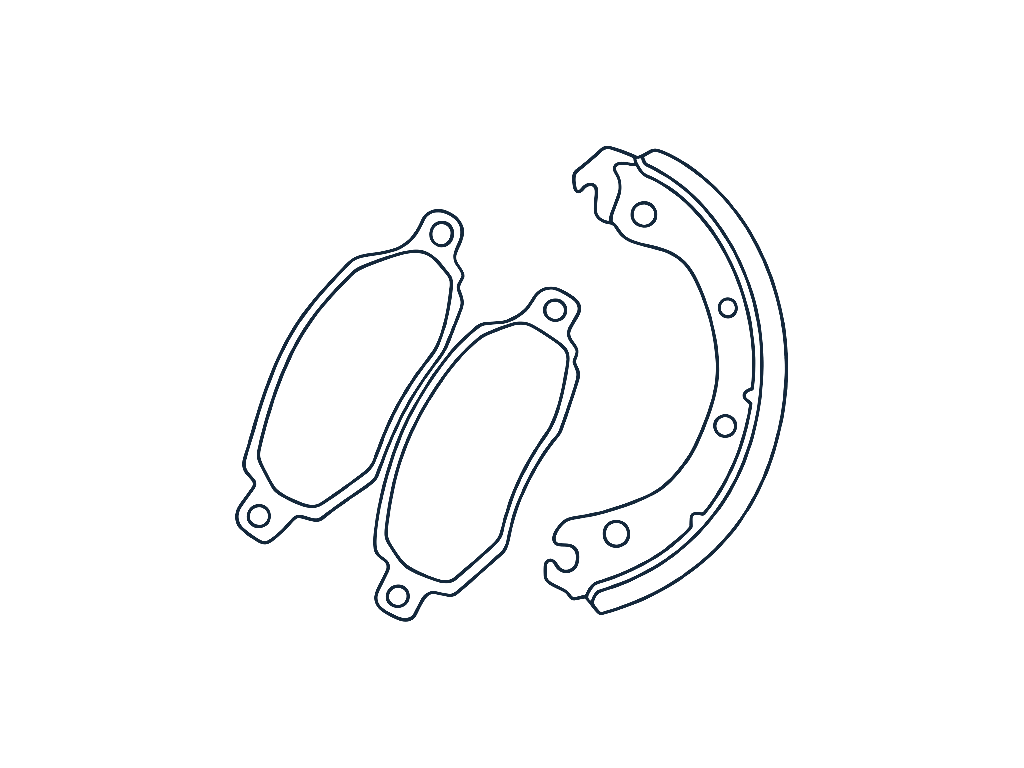
Pads and shoes
Quality replacement pads matched to your vehicle and how you drive, fitted with new shims and clips.
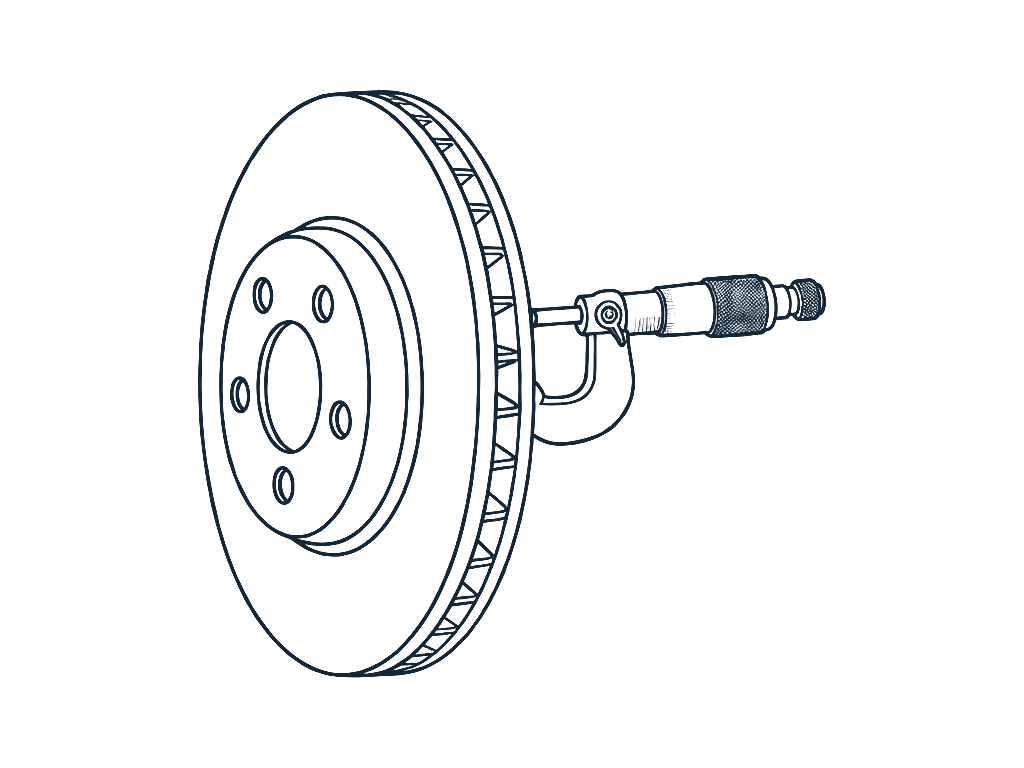
Rotors and drums
Measured against the maker's minimum. Resurfaced when there's enough metal left, replaced when there isn't.
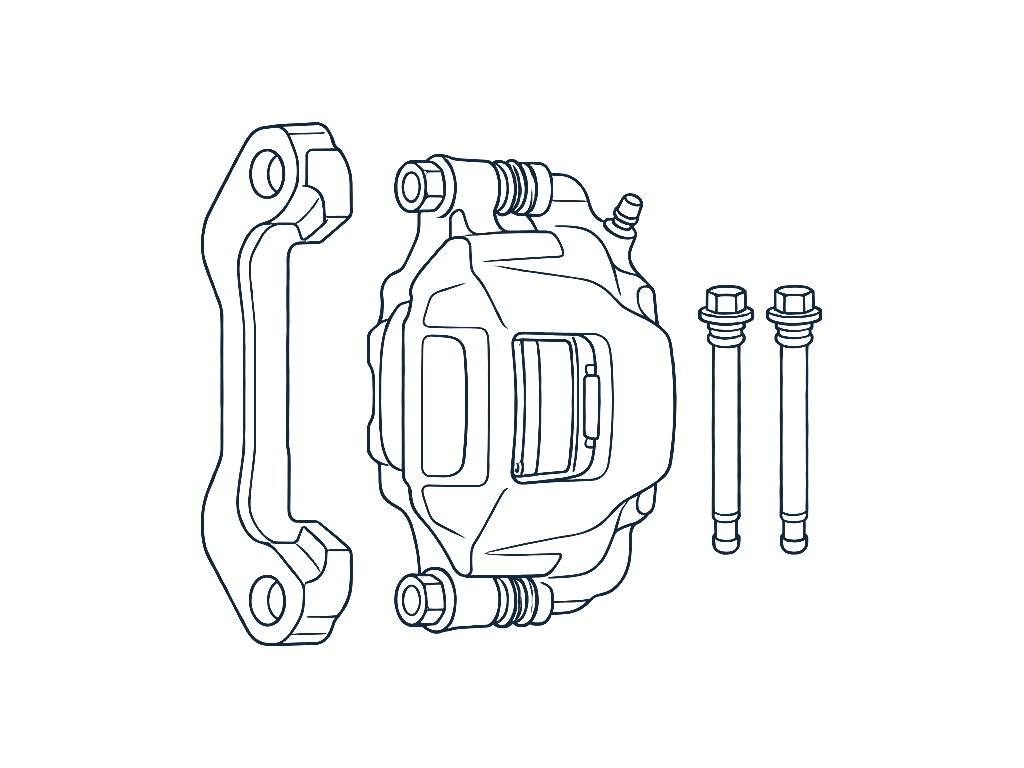
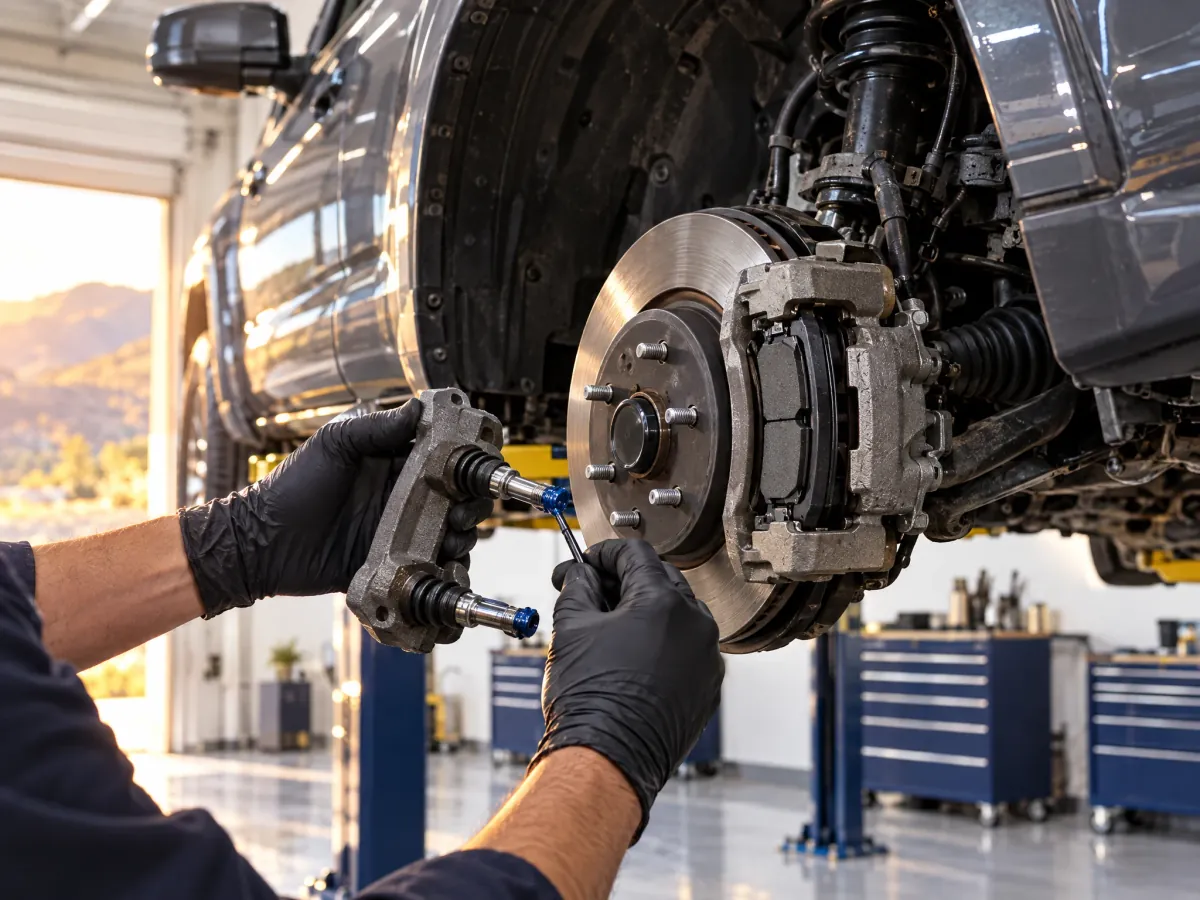
Calipers and hardware
Slide pins cleaned and greased, brackets cleaned, and sticking calipers found and fixed.
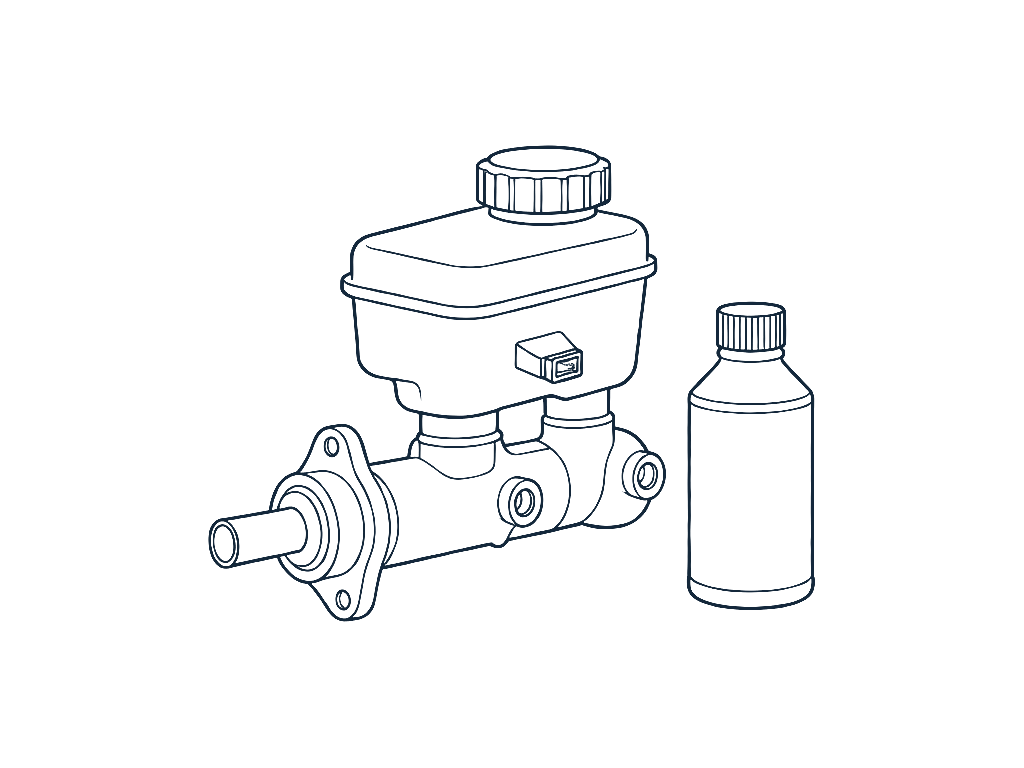
Brake fluid
Checked for level and moisture. Flushed and refilled when it's due.
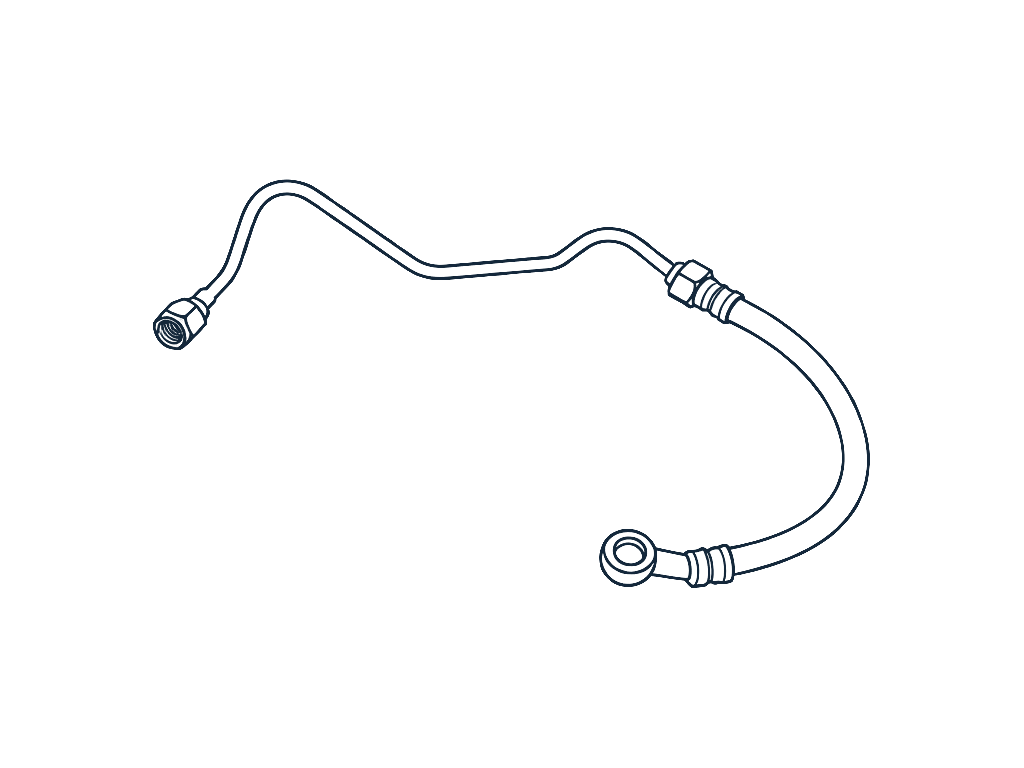
Lines and hoses
Inspected for leaks, cracks and corrosion along the system.
Road test
We finish with a test drive and bed in new pads so they seat evenly.
Straight answers before we pick up a wrench
Brake work can range from a quick hardware service to pads and rotors on both axles. We show you which one you need and why.
We inspect and measure
Wheels off, pad thickness and rotor condition measured, fluid tested, hardware checked.
We show you what we found
Old parts, measurements and photos, explained in plain English, with your options.
You decide, then we do the work
Nothing starts until you say go. Then we repair it and road test it before you pick it up.
Brake service questions
How often do brake pads need replacing?
It depends on the vehicle, the pads and how you drive. Many pads last somewhere between 30,000 and 70,000 miles, while stop-and-go driving, hills and towing wear them faster. The simplest habit is to have them measured at each tire rotation or oil change.
Do I always need new rotors with new pads?
Not always. We measure the rotors first. If they are above the maker's minimum thickness and run true, they can often be resurfaced or reused. If they are too thin, warped or badly scored, replacing them is the safer choice.
Why do my new brakes squeak?
A light noise in the first few days can happen while new pads bed in. If it keeps going, missing shims, dry slide pins or glazed rotors are common causes, and we're happy to take a look.
How often should brake fluid be changed?
Brake fluid absorbs moisture over time, which lowers its boiling point and can corrode parts inside the system. Many manufacturers suggest changing it every two to three years. Your owner's manual has the exact interval, or we can test it for you.
Is it safe to drive with the brake light on?
Have it checked as soon as you can. The light can mean the parking brake is on, the fluid is low or there is a hydraulic problem. If the pedal feels soft or goes close to the floor, don't drive the vehicle.
Brakes making noise? Let's take a look.
Book online and tell us what you're hearing or feeling. We'll inspect, explain and give you options before any work begins.