
Shaking or vibration while driving: common causes
When it shakes tells us a lot. At highway speed, when braking or at idle, each points to a different cause.
Not safe to drive if you notice
- Shaking that starts suddenly or worsens fast
- Clunking or rhythmic thump from a wheel
- Bulged, flat or damaged tire
Is it safe to drive when experiencing shaking or vibration while driving?
Usually yes, if the shake is mild. Sudden or violent shaking or vibration means pull over.



Usually safe to drive
- A mild vibration only in one speed range, like on the freeway
- It has stayed the same, not getting worse
- The tires look normal
- No warning lights are on
Not safe to drive
- The shaking starts suddenly or gets worse quickly
- You hear clunking or a rhythmic thump from one wheel
- A tire looks bulged, flat or damaged
- The check engine light flashes while the engine shakes
What makes a vehicle shake
Here are the usual suspects, grouped by when you feel the shake.
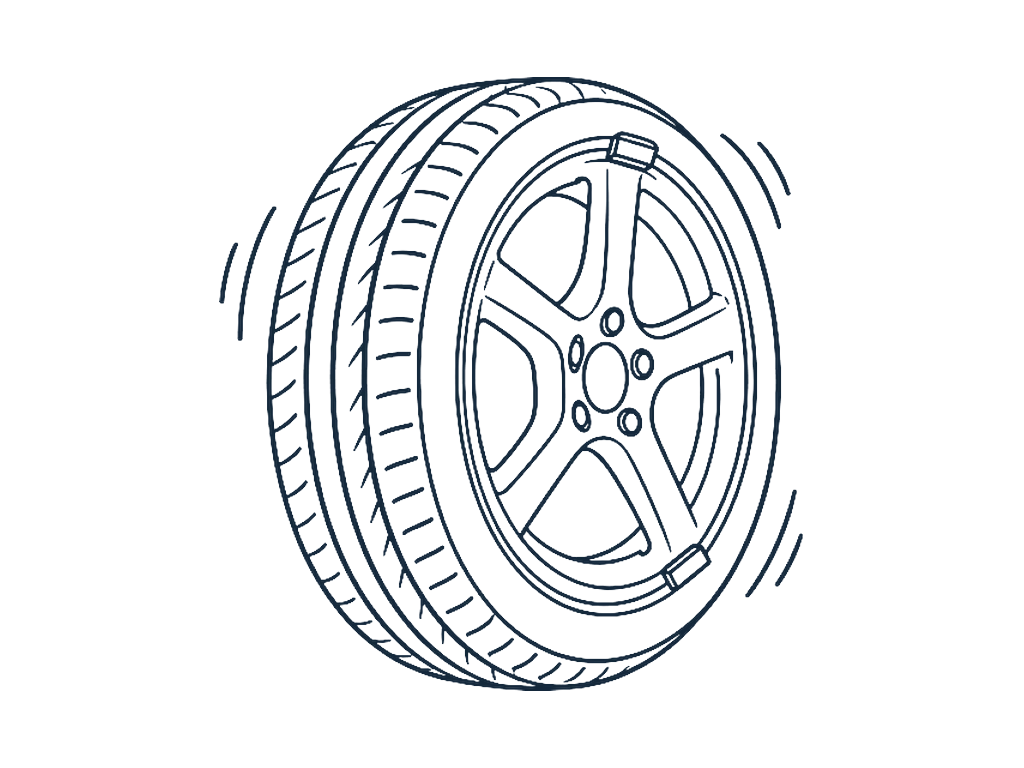
Out-of-balance wheels (at speed)
A lost wheel weight or uneven tire often shows up as a steering wheel shake around 55 to 65 mph.
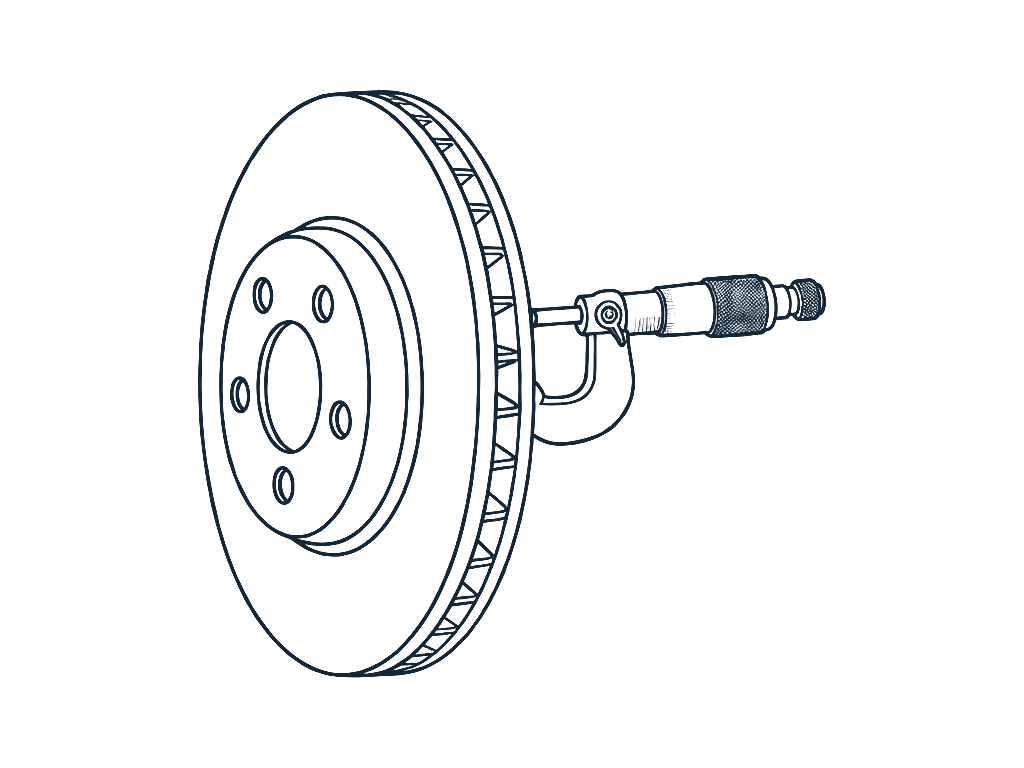
Warped or uneven rotors (when braking)
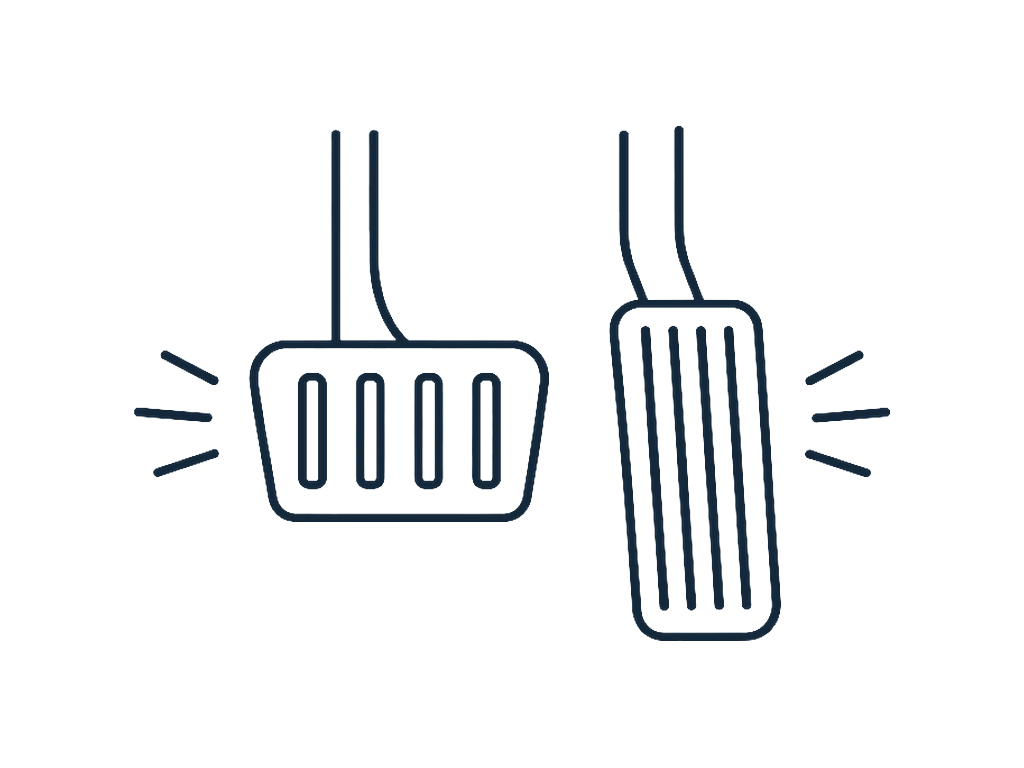
A pulsing pedal or shaking wheel when you brake, especially downhill, usually points to the rotors.
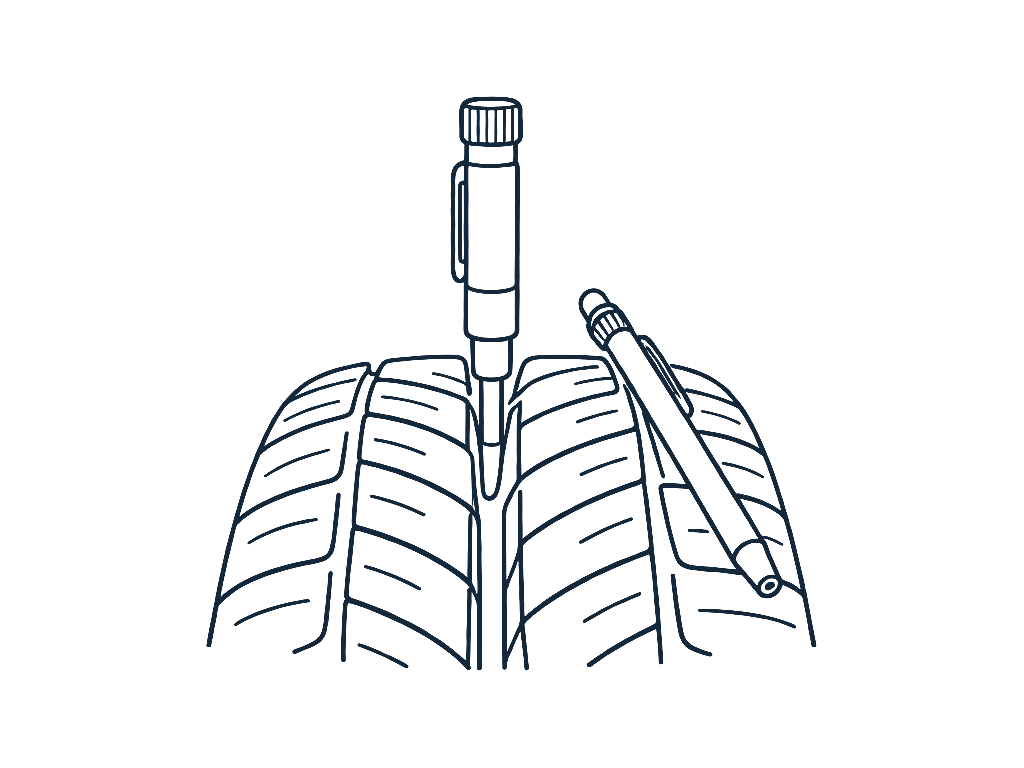
Tire damage or uneven wear
A separated belt, flat spot or cupped tread can cause a vibration that changes with speed.
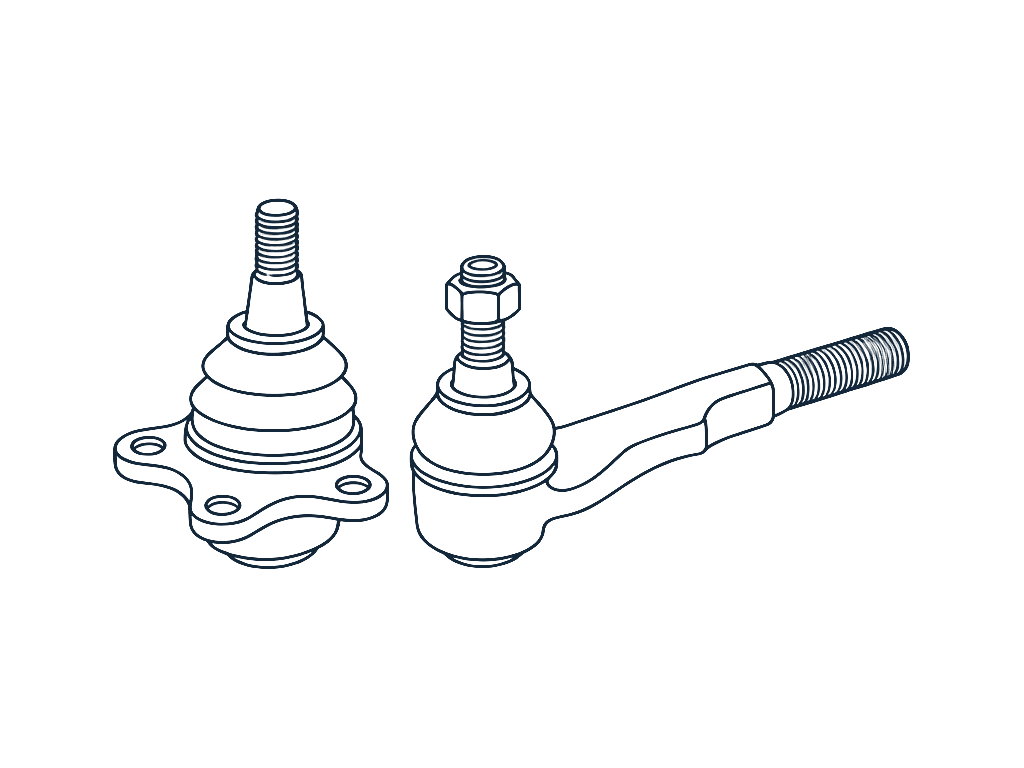
Worn suspension or steering parts
Loose tie rods, ball joints or wheel bearings let the wheel wobble and can feel like a shimmy.
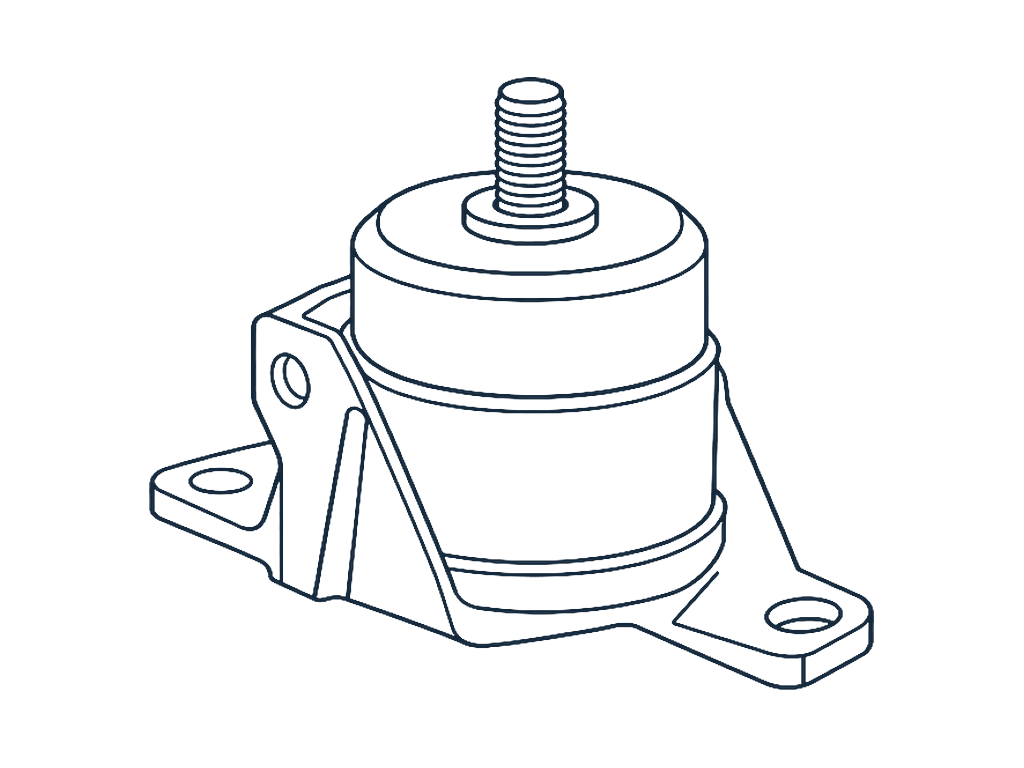
Engine misfire or mounts (at idle)
A rough idle or shake at a stop often comes from a misfire or a worn engine mount.
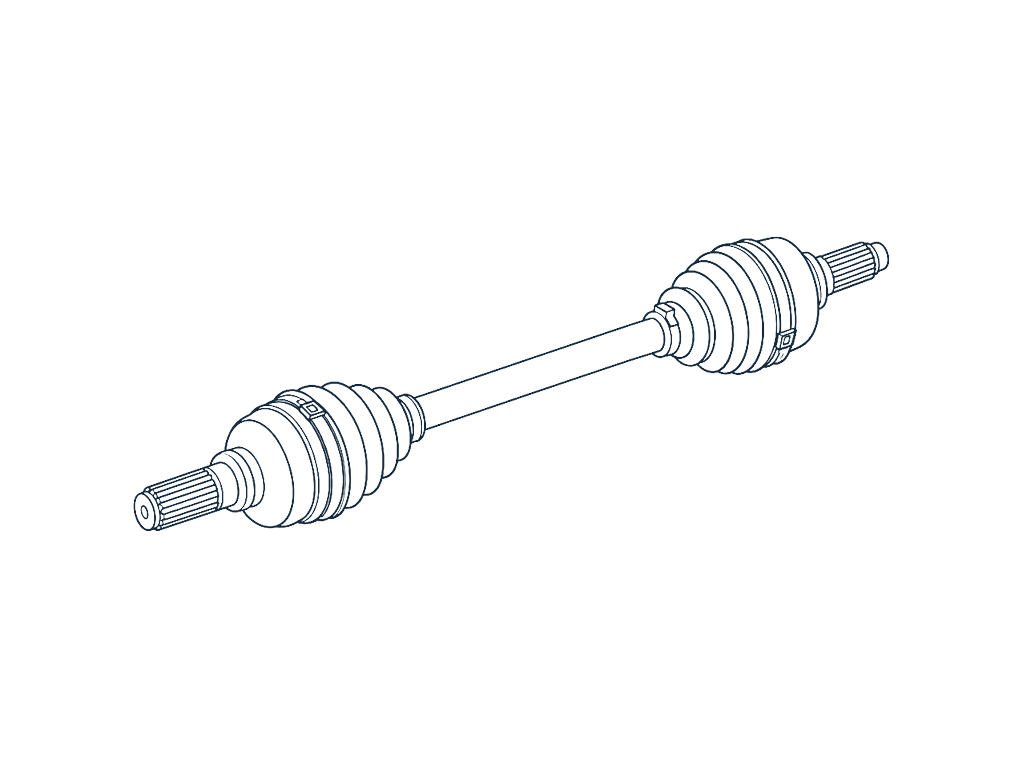
Axles and driveline
A vibration that changes when you accelerate can come from a worn CV axle or driveshaft part.
We show you the play before we quote the part
Worn suspension parts are easy to show once the vehicle is in the air. You'll see what we see.
We road test and inspect
A drive to hear the noise, then a look underneath with the weight off the wheels.
We show you what we found
Photos and plain English, with what needs attention now and what can wait.
You decide, then we do the work
Nothing starts until you say go. We finish with a road test and an alignment if it's needed.
What to notice before you book
Where and when you feel it is the best clue we have.
The speed where the shake starts and stops
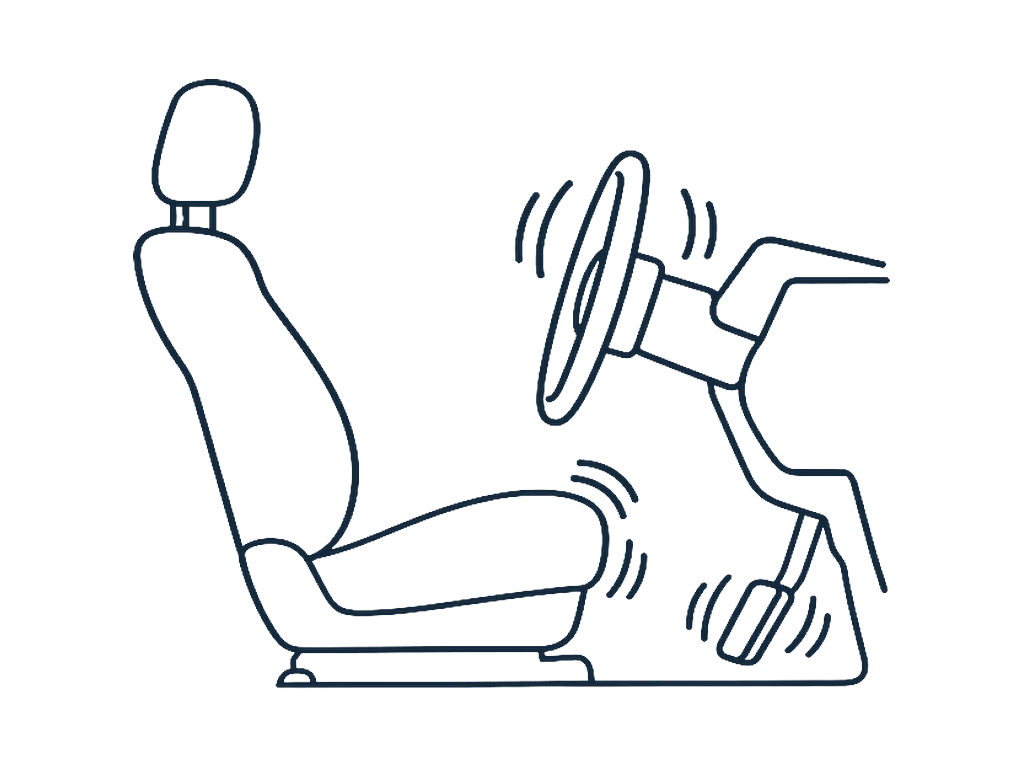
Whether you feel it in the steering wheel, the seat or the brake pedal
Whether it happens when braking, accelerating, cruising or at idle
Whether it started after a pothole, a curb or new tires
Any warning lights on the dash

Shaking and vibration questions
Why does my steering wheel shake at highway speed?
The most common cause is an out-of-balance front wheel, often from a lost wheel weight. Tire damage and worn steering parts are other causes. Balancing is usually the first step.
Why does my car shake when I brake?
A shake or pulsing pedal when braking usually means the rotors have uneven thickness. It's often noticed on long downhill stretches. Resurfacing or replacing the rotors typically fixes it.
Why does my car shake at a stop but not while driving?
A shake at idle usually comes from the engine, such as a misfire, a vacuum leak or a worn engine mount. If the check engine light is also on, mention that when you book.
Can an alignment fix shaking?
Usually not on its own. Alignment fixes pulling and uneven tire wear. Shaking is more often balance, tires, brakes or worn parts. We check those first.
Other symptoms we can help with
See All Symptoms
Feeling a shake? Let's find the source.
Book online and tell us when and where you feel it. We'll road test, inspect and explain your options before any work begins.