
Car pulls to one side? Here's what causes it
If you have to hold the wheel off center to drive straight, something is out of balance. The cause is usually tires, alignment or brakes.
Not safe to drive if you notice
- Sudden pull after a pothole or curb
- Loose or clunking steering
- Tire bulging or losing air fast
Is it safe to drive when experiencing a car pulling to one side?
Usually yes, if the pull is mild. A car pulling to one side should still be checked soon to save your tires.


Usually safe to drive
- The drift is slight and came on gradually
- The steering feels tight and normal
- The tires look evenly inflated and undamaged
- The brakes feel normal and the vehicle stops straight
Not safe to drive
- The pull started suddenly after hitting a pothole or curb
- The steering feels loose or clunks
- One wheel is very hot or smells like burning after a drive
- A tire has a bulge or is losing air fast
Why a vehicle drifts or pulls
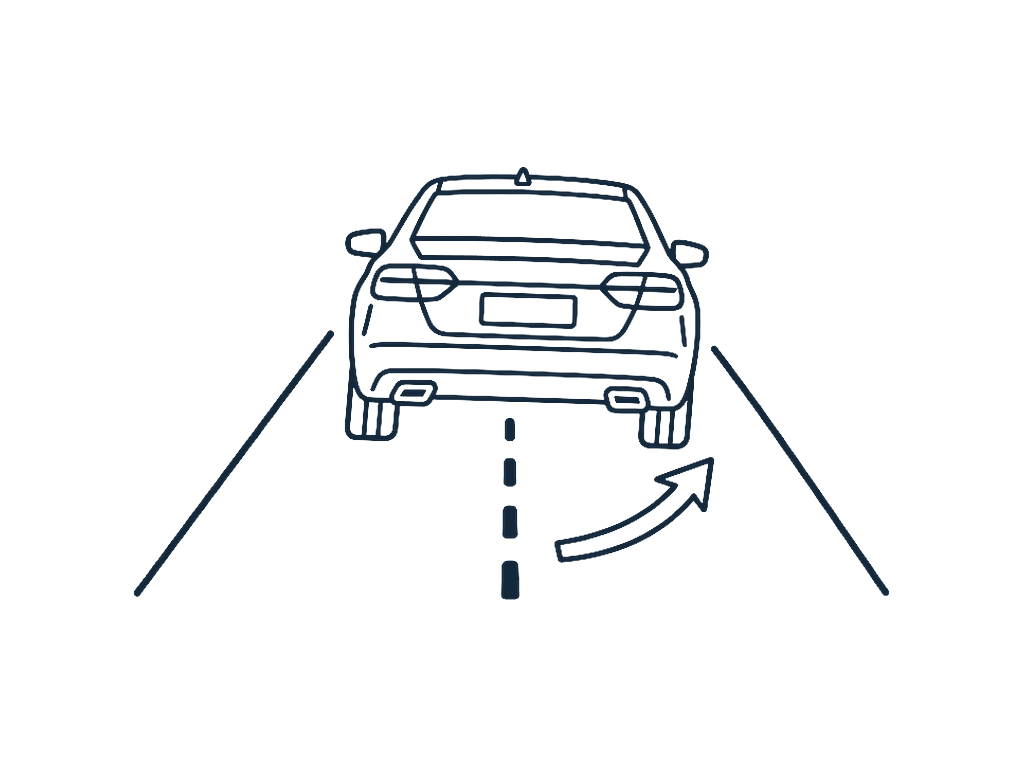
When does it pull? While cruising, only when braking, or after a bump? The answer points to different causes.
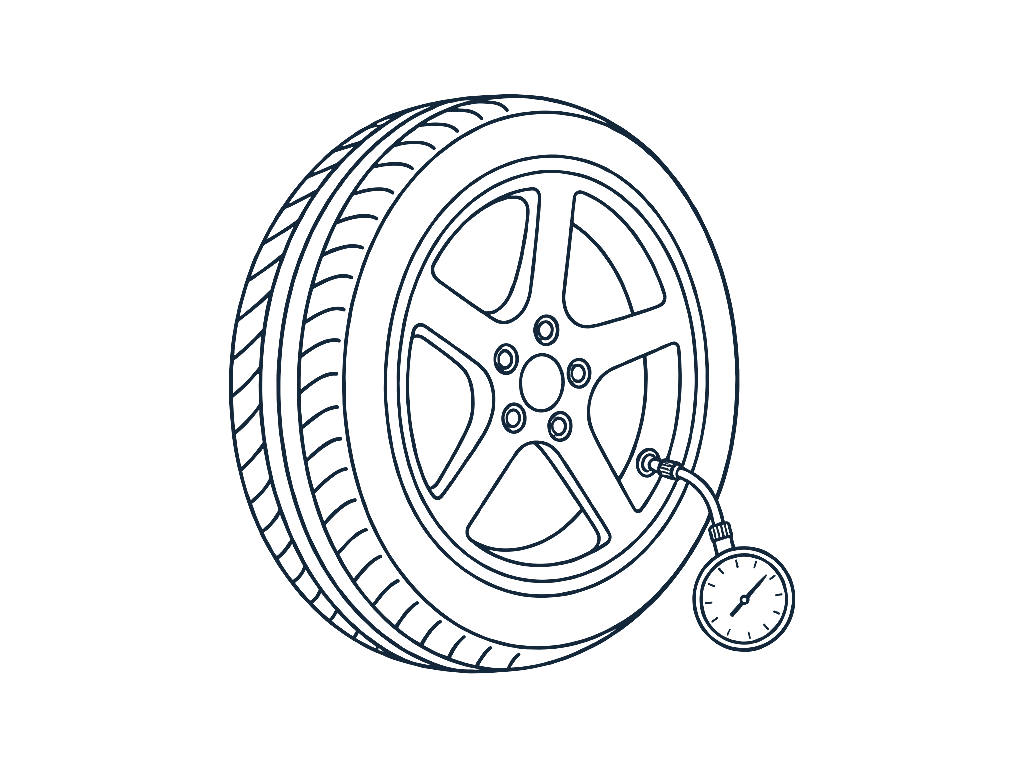
Uneven tire pressure
A low tire on one side is the most common and easiest fix. Check all four when the tires are cold.
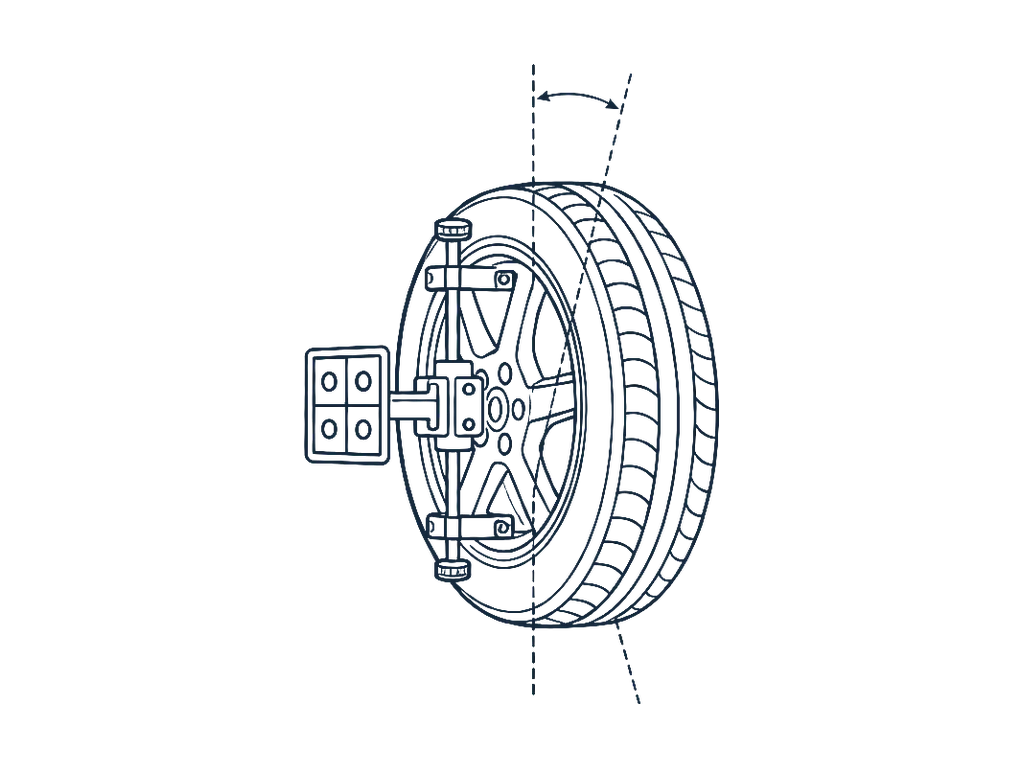
Wheel alignment
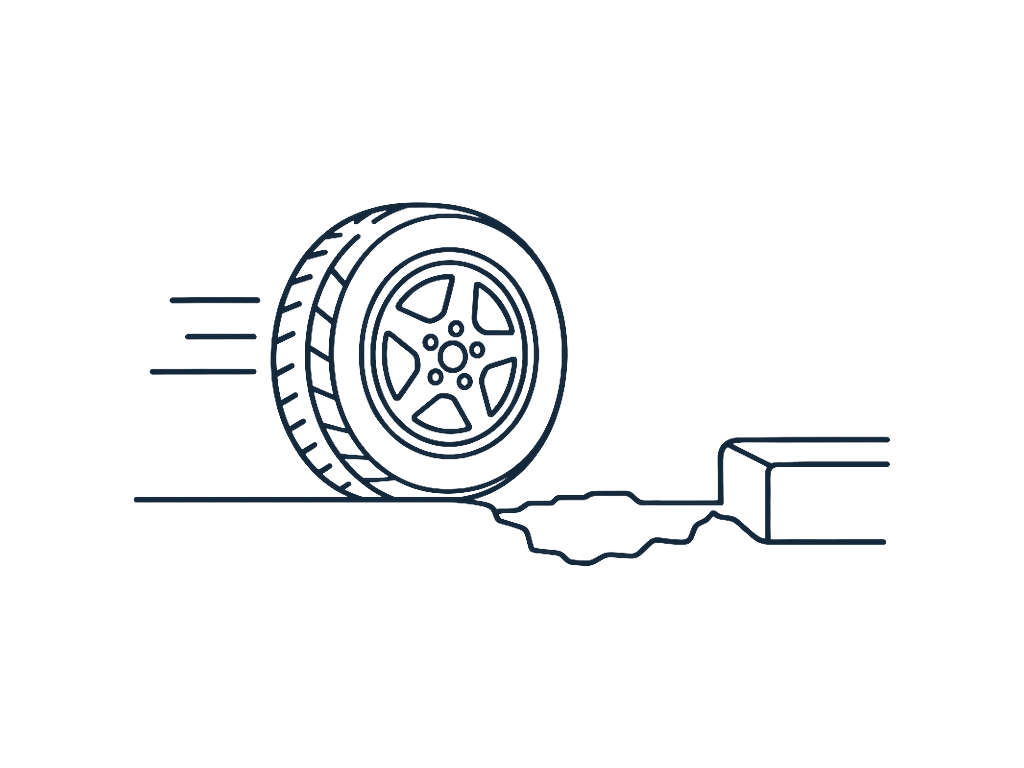
Potholes and curbs can knock the angles out. The vehicle drifts and the tires wear on one edge.
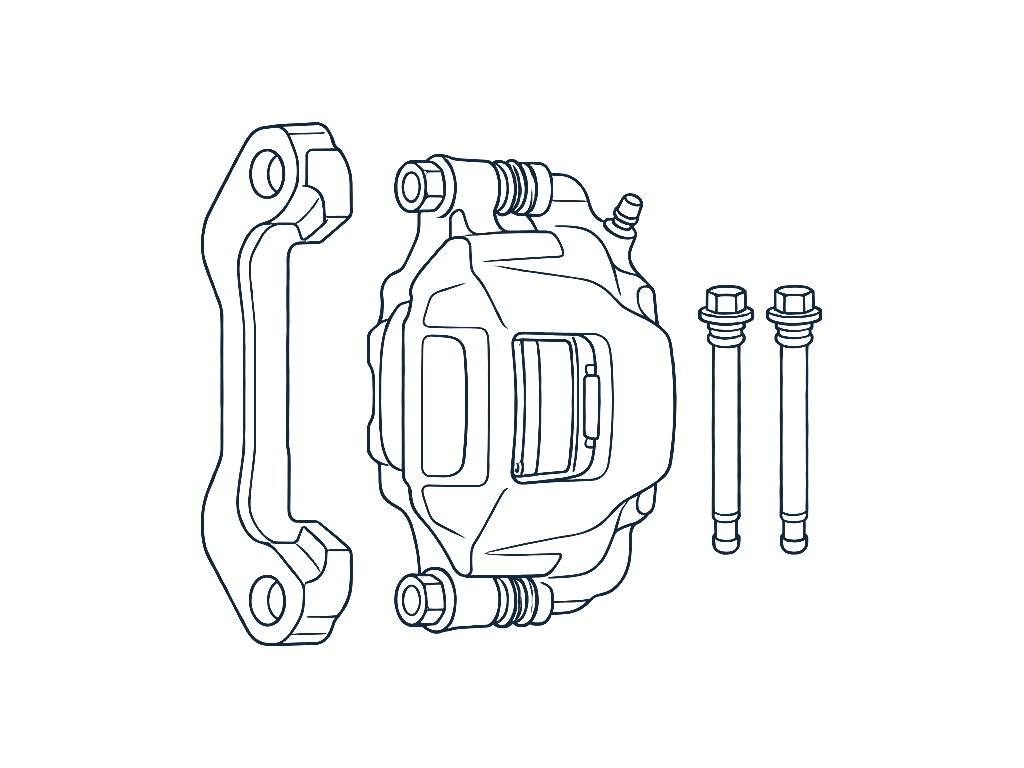
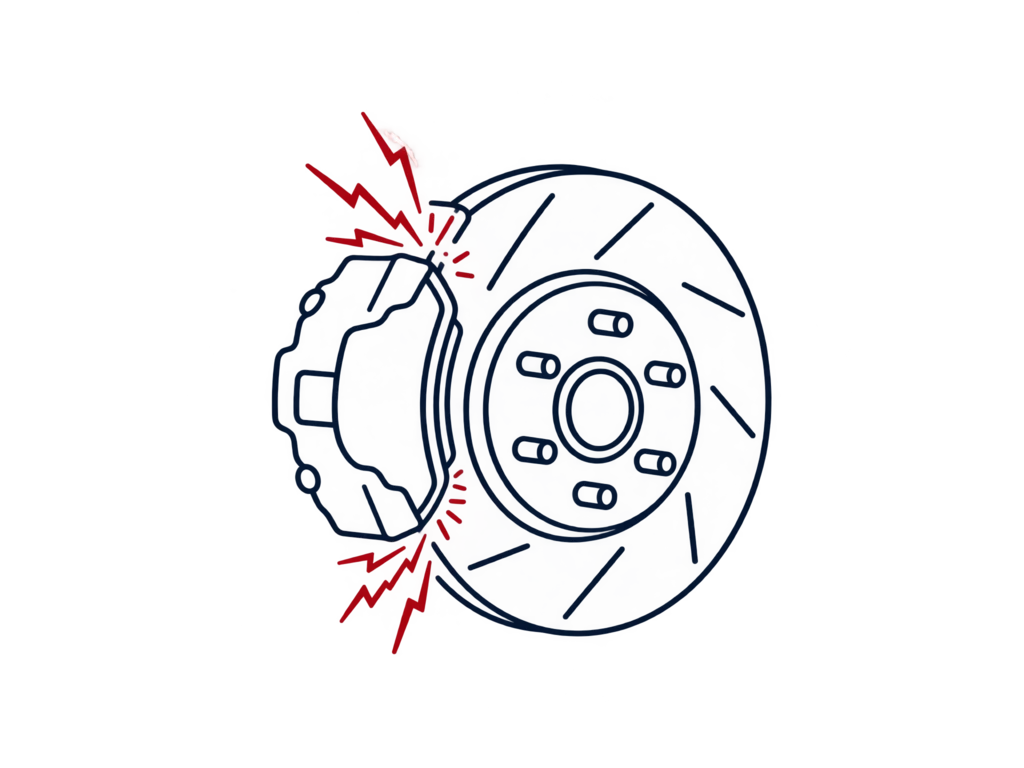
Sticking brake caliper
If it pulls mainly when you brake, or one wheel runs hot, a caliper may not be releasing.
Tire wear or construction
Uneven wear, a separated belt or mismatched tires can pull the vehicle even with good alignment.
Worn steering or suspension parts
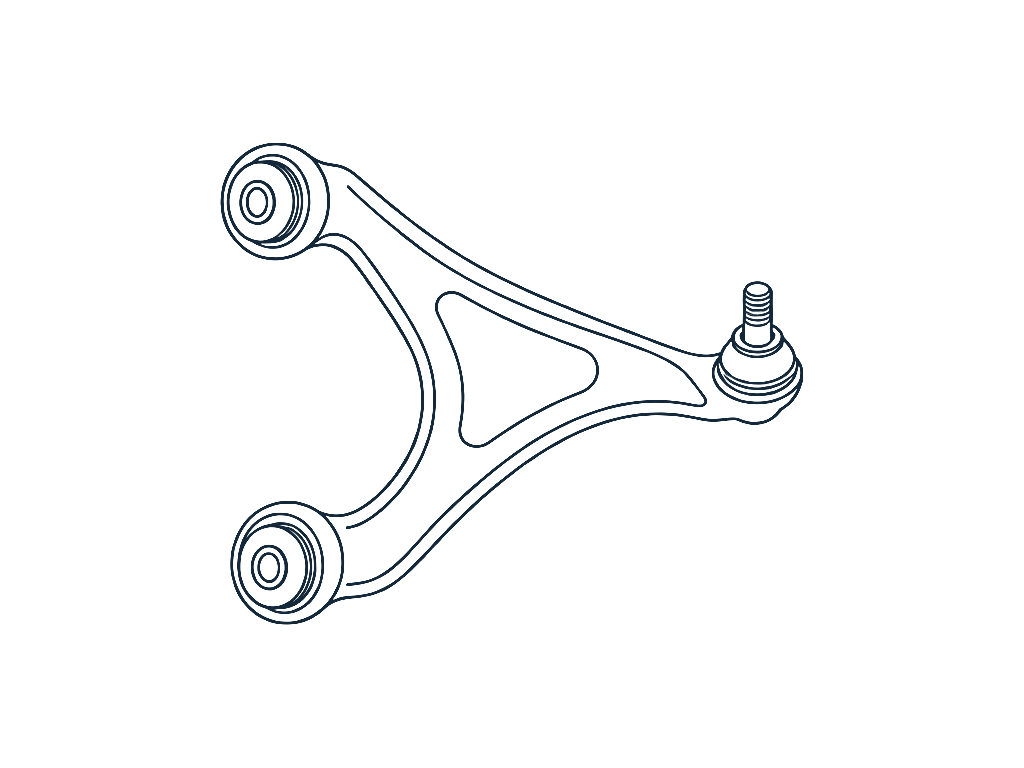
Loose tie rods, ball joints or control arm bushings let the wheel shift as you drive.
You see the numbers, not only the bill
Alignment is measured, so you don't have to take our word for it. We show you where it started and where it ended.
We check the parts first
Worn steering or suspension parts are found before the alignment, so you're not paying to align loose parts.
We measure and show you
The starting readings tell us how far off it is. We explain them in plain English.
We set it and confirm it
Adjusted to spec, test driven, and the final readings printed for your records.
What you can check first
A few minutes in the driveway can rule out the simplest cause.
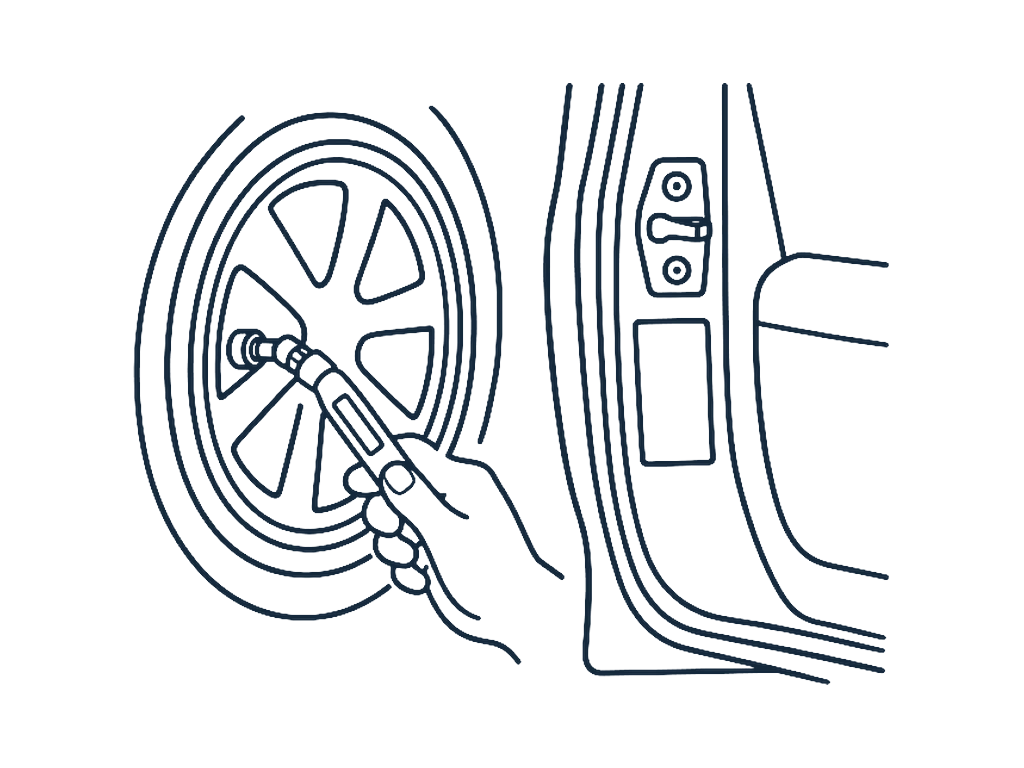
Check all four tire pressures cold against the sticker in the driver's door jamb
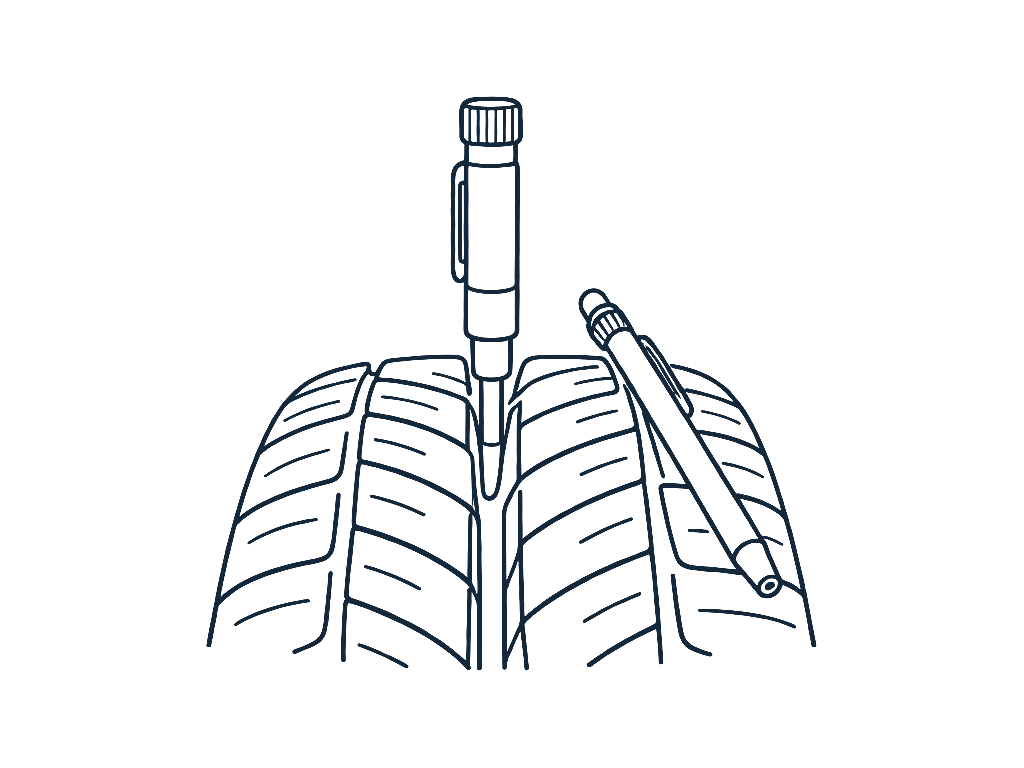
Look for uneven wear on the inside or outside edge of the front tires
Notice whether it pulls while cruising, only when braking, or both
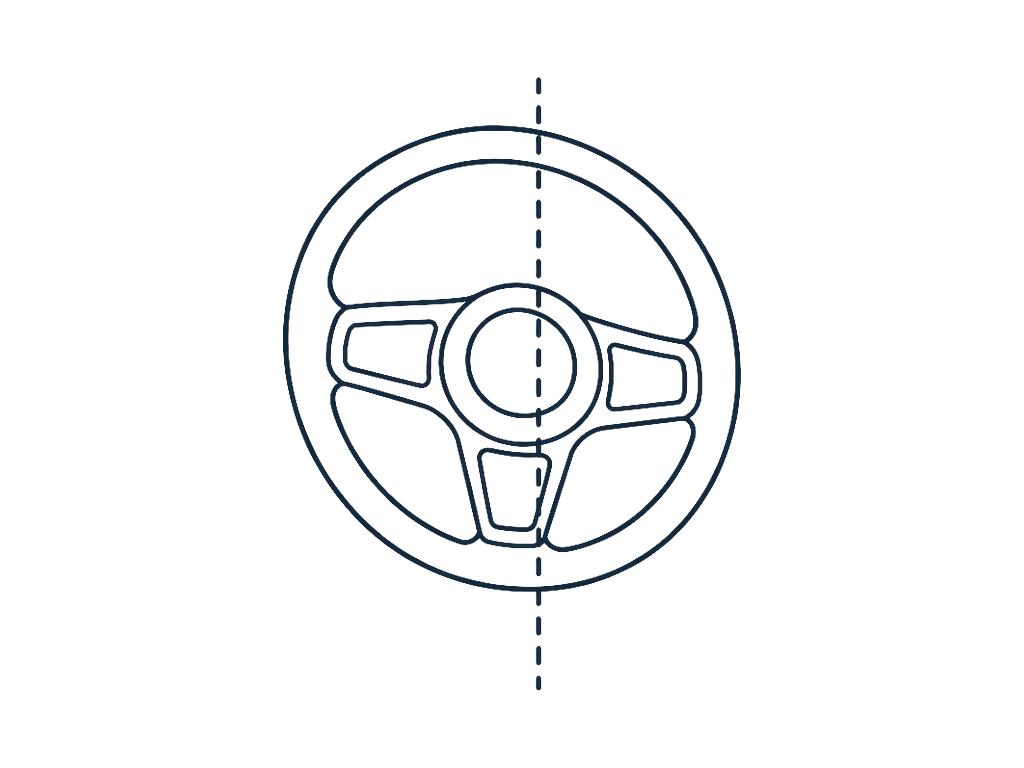
Check whether the steering wheel sits off center when driving straight
Think back to recent potholes, curbs or tire work
Pulling and alignment questions
Why does my car pull only when I brake?
A pull that shows up only under braking usually points to the brakes, such as a sticking caliper or uneven pad wear, rather than alignment. It's worth having checked soon.
Can a tire cause my car to pull?
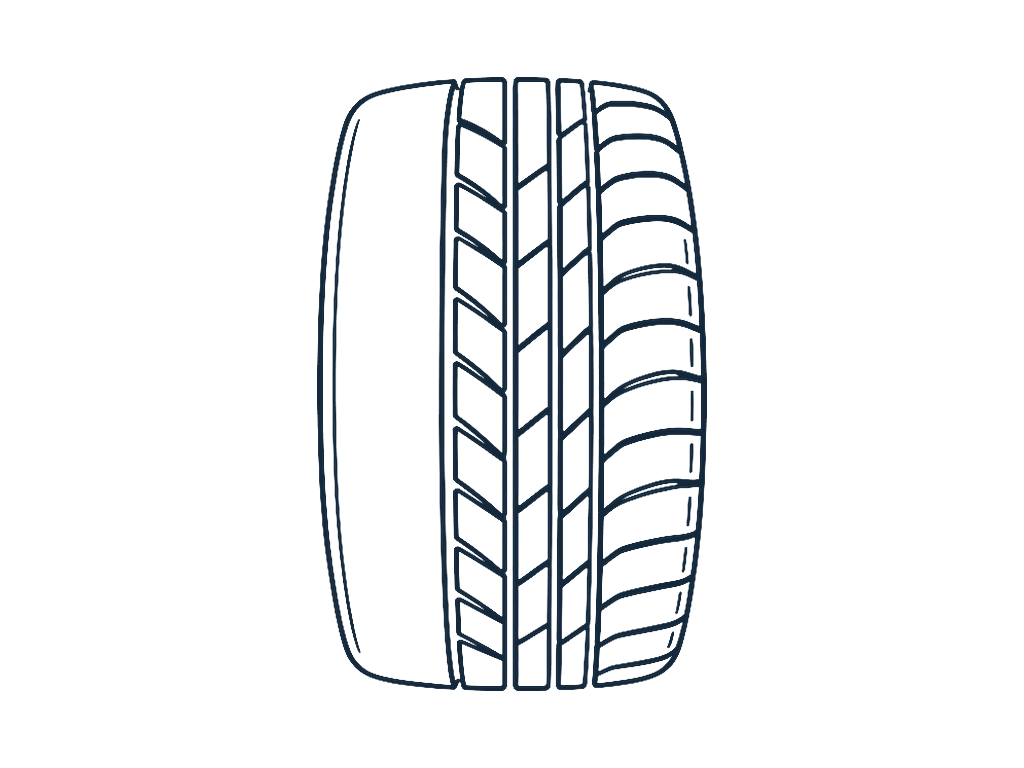
Yes. Low pressure, uneven wear or an internal belt problem can all make a vehicle pull. Swapping the front tires side to side is one way a shop can test for it.
How do I know if I need an alignment?
Common signs are a drift to one side, a steering wheel that sits off center when driving straight, and tires wearing on one edge. A check after hitting a big pothole or curb is also a good idea.
Is it normal for a car to drift slightly on some roads?
Yes. Most roads are crowned so water runs off, which can cause a slight drift toward the shoulder. If it pulls on flat roads too, have it checked.
Other symptoms we can help with
See All Symptoms- Book soon
Shaking or vibration while driving
At speed it's often wheel balance. When braking, rotors. At idle, the engine. When it happens tells us a lot.
Learn More - Book soon
Squealing or grinding brakes
A squeal is often an early warning. Grinding usually means the pads are gone and should be checked right away.
Learn More
Pulling to one side? Let's straighten it out.
Book online and tell us when the pull happens. We'll road test, inspect and explain your options before any work begins.